Aerial work platforms are indispensable
equipment for elevated operations in construction, equipment installation, and
maintenance. Should buttons become unresponsive or fail to operate while the
platform is elevated to heights of several meters or even tens of meters, it
not only disrupts work progress but also poses significant safety risks. In
such situations, operators must remain calm and avoid panic. Implementing
proper emergency procedures and troubleshooting measures is crucial for
ensuring personnel safety.
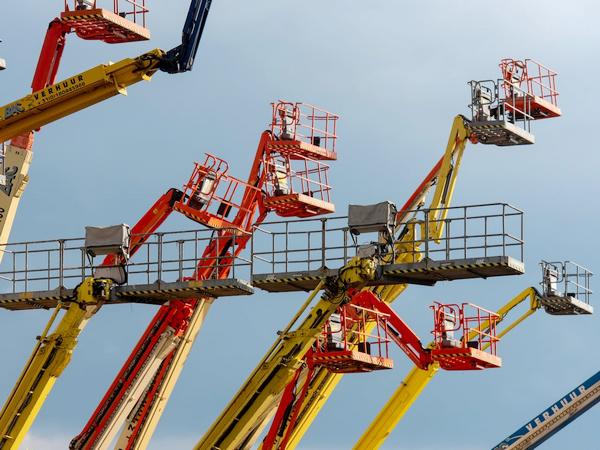
Based on field experience, emergency
handling and preliminary checks for button malfunctions on aerial work
platforms can be conducted through the following steps:
Verify Power Supply Status
First, inspect whether the external power
source or the equipment's power supply system is properly connected. The
lifting operation of aerial work platforms relies on electric power. If the
power is disconnected, insufficient, or abnormal, the equipment will fail to
ascend normally, and the control buttons may become unresponsive.
Before confirming a power issue, avoid
repeatedly pressing the lift button to prevent misdiagnosis.
Utilize Platform Self-Weight for Emergency Descent
Note that the descent process typically
does not rely on electrical power but instead uses the equipment's own weight,
achieving a smooth descent through the hydraulic system. When buttons
malfunction or power is interrupted, directly operate the descent button or
activate the emergency descent function to open the hydraulic valve, allowing
the platform to safely lower.
This design is one of the critical safety
features of aerial work platforms. Operators should familiarize themselves with
the emergency descent procedures before use.
Inspect Electrical Switches and Wiring Connections
After ensuring personnel have descended
safely, proceed to inspect the electrical system. Focus on checking whether
electrical switches exhibit loose wiring, poor contact, or other issues. If
wiring connections are normal and switch statuses are intact, electrical system
faults can be preliminarily ruled out.
If obvious problems are found in electrical
components, promptly repair or replace them to prevent operating the equipment
with faults.
Check for Solenoid Valve Sticking
Solenoid valve sticking is another common
cause of button failure. When solenoid valves malfunction, hydraulic system
response becomes sluggish or fails, impacting equipment operation.
If solenoid valve issues are suspected,
safely press the solenoid valve plunger to fully lower the platform.
Subsequently clean, inspect, or replace the solenoid valve as necessary.
Inspect Hydraulic Hoses and Fluid Condition
Blocked hydraulic hoses or degraded fluid
quality can also cause abnormal platform operation. Verify hose integrity for
kinks, obstructions, or poor flow. Additionally, use high-quality hydraulic
fluid meeting specifications to prevent impurities or viscosity issues from
disrupting system function.
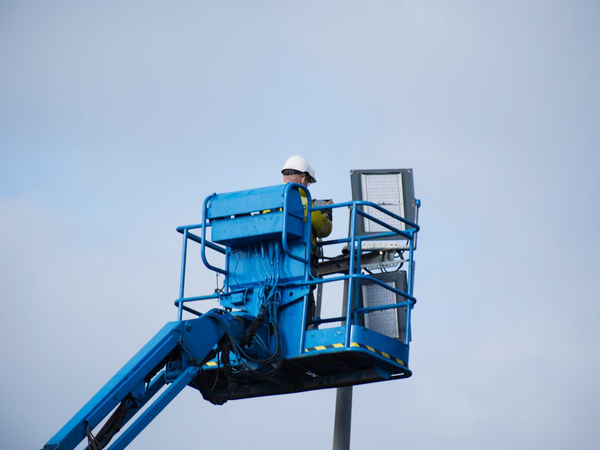
When abnormal situations such as button
malfunctions occur during aerial platform operation, the most critical step is
to remain calm. Prioritize personnel safety by activating the emergency descent
function before conducting systematic equipment inspection and maintenance.
Aerial work platforms are equipped with corresponding safety protection and
emergency devices. Adhering to standard operating procedures, performing
regular inspections, and conducting timely maintenance are key to ensuring safe
and stable aerial operations.
LIUGONG 856E-MAX Electric Loader Green Times Trendsetter!
CRUKING Visited International XIAMEN Stone Fair
Flagship XCMG Machinery Equipment Features in Sci-Fi Blockbuster

CRUKING 2023 Christmas & New Year's Party
CRUKING Visited the XGMA factory
Chinese Excavator Export Boom in Indonesia Explored
CRUKING Visited the JINGONG Plant

CRUKING Luoyang Historical Outing

CRUKING Outing
Sneak Peek! XCMG XCT95L7 Crane Strength Leader
Century Project! XCMG Excavators Help Build China-Russia Natural Gas Pipeline
VOLVO Launched the EC530E and EC550E Two 50-ton Excavator
SHANTUI Mining Excavator Batch Helps Southeastern Coastal Mine Development
SANY's "10 Billion Club" Added Another Member!
CRUKING | KATOSCE HD27 Mini Excavator
SEM Machinery F Series
ZOOMLION Hydraulic Crushing Hammer ZHB220
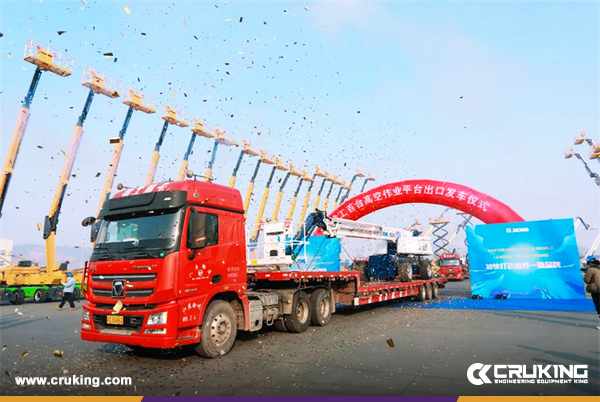
Hundreds of XCMG Aerial Work Platforms Sent to "One Belt, One Road"
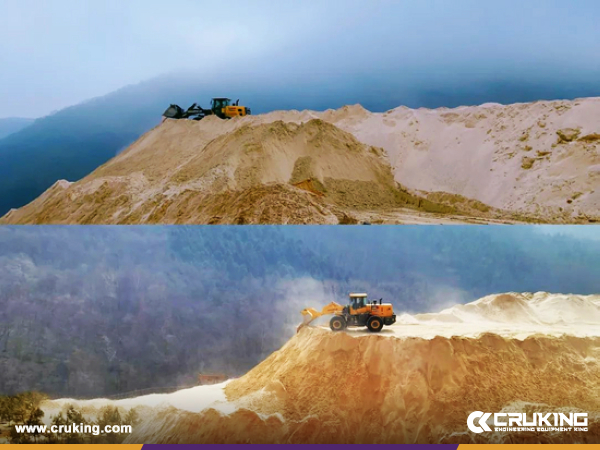
SHANTUI LH60-G Redefines the New Standard of High-End Hydrostatic Loader!
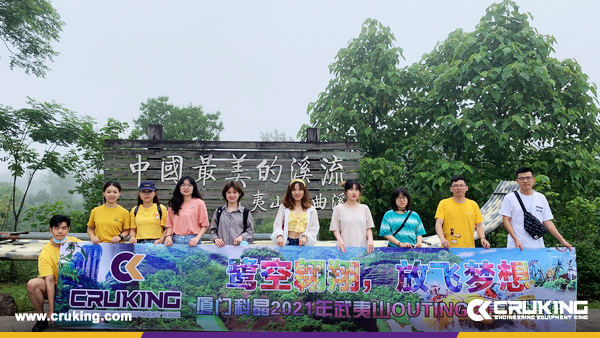
CRUKING Mount Wuyi Outing

SANY SR235M, A Powerful Tool for Pile Foundation Construction
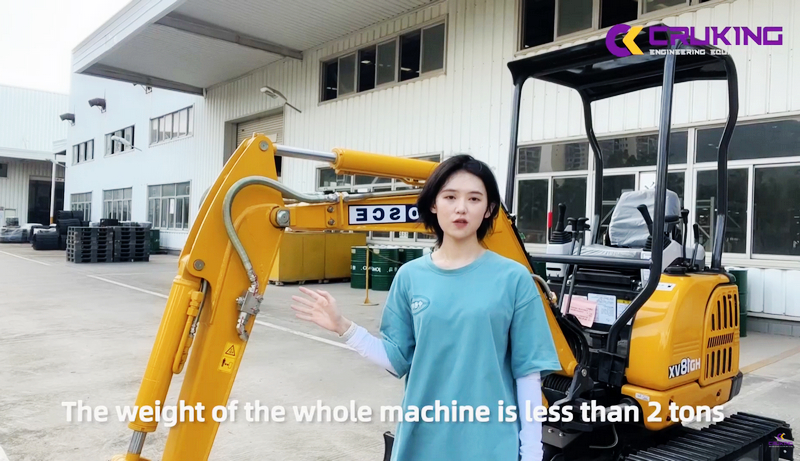
CRUKING | KATOSCE 18VX Mini Excavator
CRUKING | HANGCHA CPC35 Diesel Forklift
The Impact of Rising Oil Prices on Construction Machinery Industry
Orders Delivered! Hundreds of XCMG Wheel Loaders Shipped to "The Belt and Road Initiat
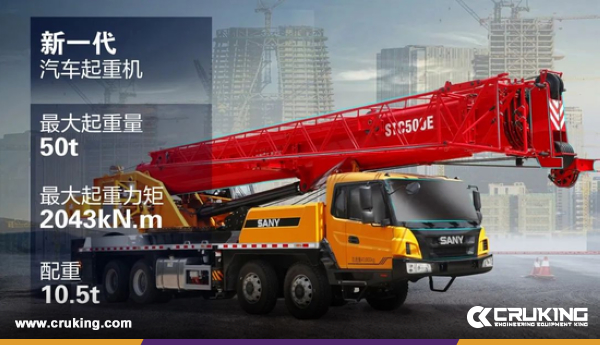
How to Choose a 50 Ton Hybrid Crane ?
SANY's Q3 Report Review: Overseas Markets Continue to Make Efforts
CRUKING | ZCJK QTY4 25 Brick Forming Machine
【HYUNDAI Special Assembly】Heavy Load Crusher R600BKVS
Real Data | SANY SY245HSIC Wins Reputation by Strength
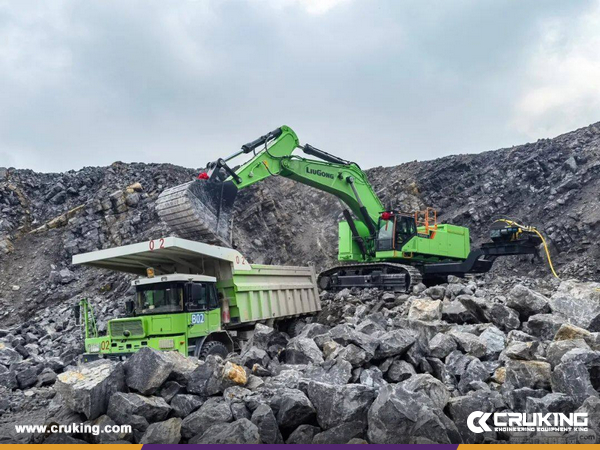
LIUGONG's Largest Electric Excavator 995FE Debut
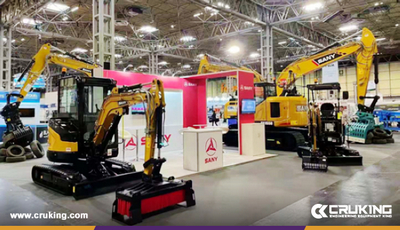
SANY Excavator Debuts at RWM Exhibition in UK

CRUKING Christmas Party in 2020
SANY Developing Hydrogen Fuel Trucks

CRUKING's 2024 Halloween Theme Party
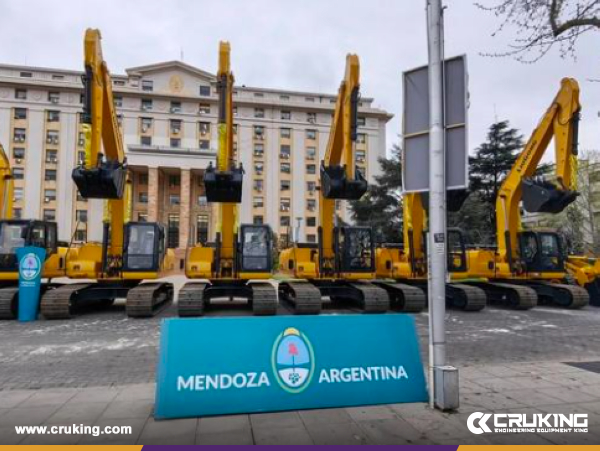
Batches of LIUGONG Excavators Delivered to the Provincial Government of Argentina
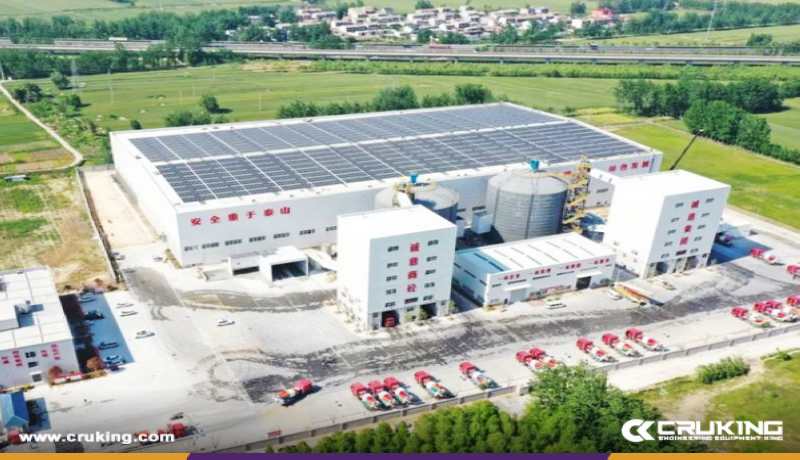
XCMG: Explore the Road of Low-Carbon Development of the Industry
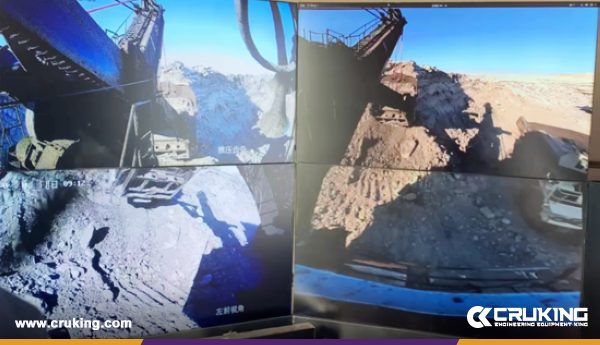
Is the Remote Control Excavator Safe?
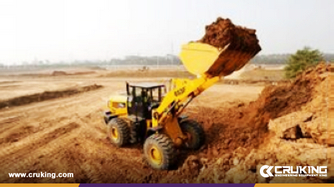
SEM SEM653F Wheel Loader Was Released
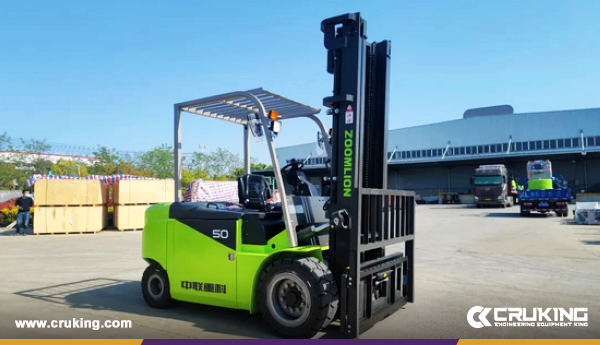
ZOOMLION Electric Forklift New Product Release
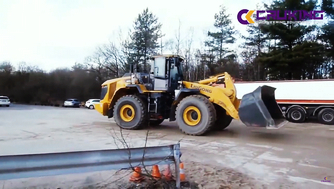
CRUKING | LIUGONG CLG877H Wheel Loader
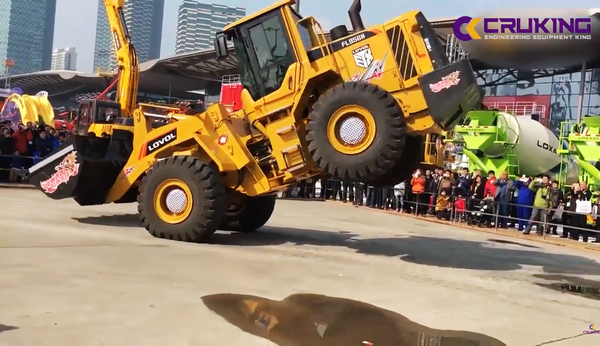
CRUKING | LOVOL FL956H Wheel Loader
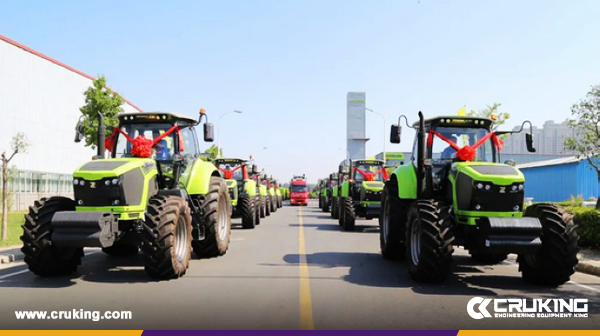
ZOOMLION Exports Thousands of Agricultural Machinery to Belt and Road
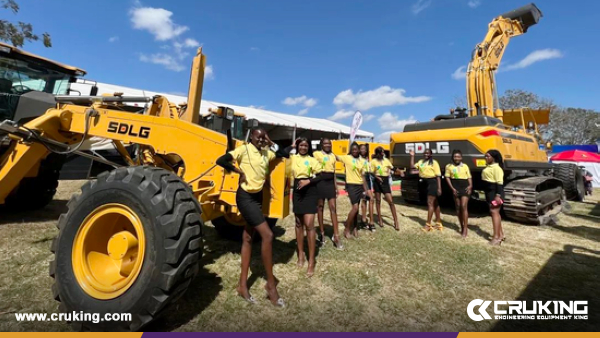
Zambian Vice President Visits SDLG's Star Products
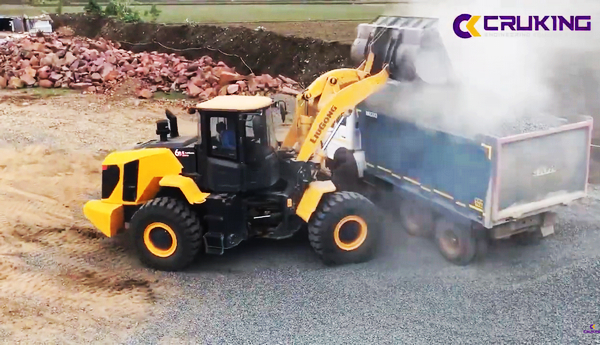
CRUKING | LIUGONG CLG848H Wheel Loader
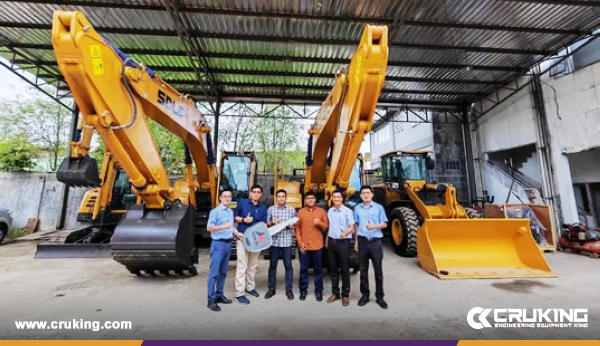
SDLG's Internationalisation Process Is Accelerating
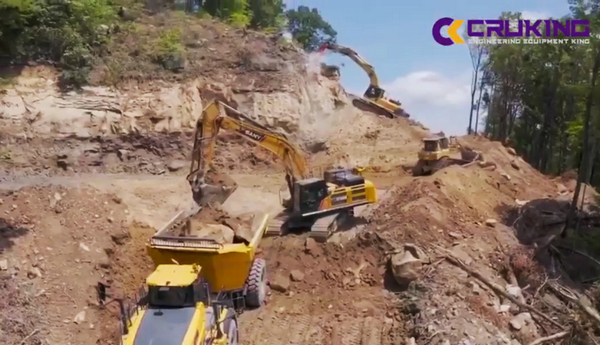
CRUKING | SANY SY500H Excavator
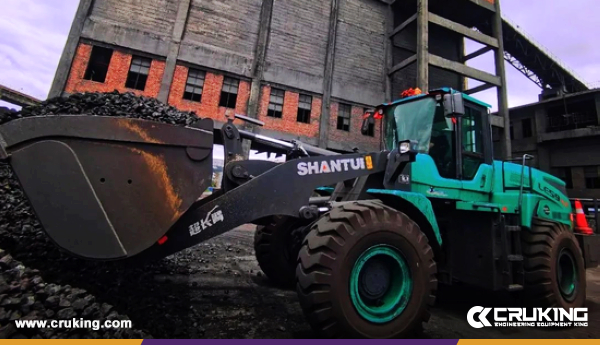
SHANTUI Pure Electric Loaders in Southwest Mines
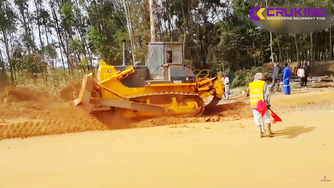
CRUKING | SHANTUI SD22 Bulldozer
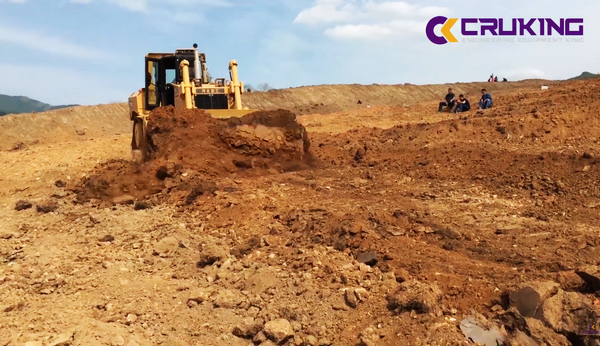
CRUKING | HBXG SD7K Bulldozer
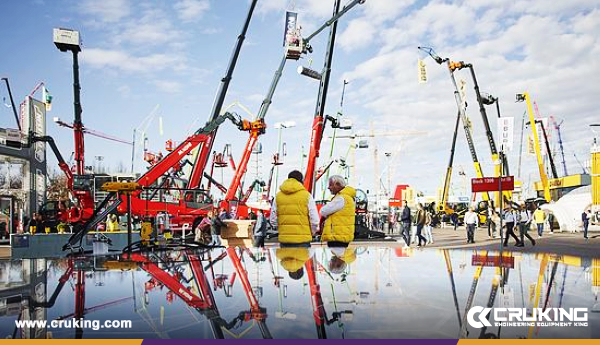
Photo Gallery of Bauma 2022 in Germany

ZOOMLION ZAT40000H7 Achieves New Height of 160m for Wind Power

CRUKING | ZOOMLION ZE360E Excavator
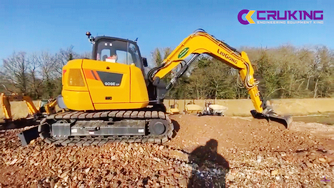
CRUKING | LIUGONG CLG909E Excavator
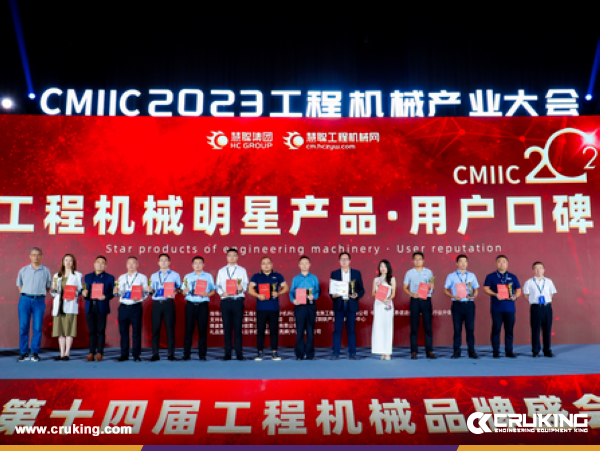
Star Product SE680LC Receives Praise from the Market
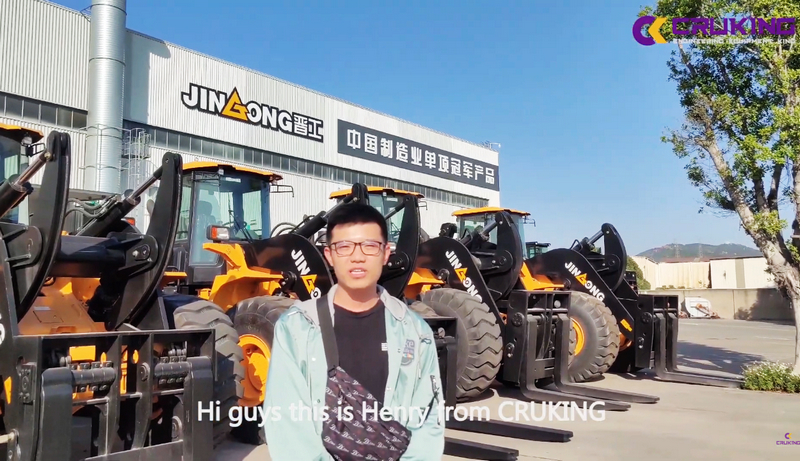
CRUKING | JINGONG JGM791FT50KN Forklift Loader
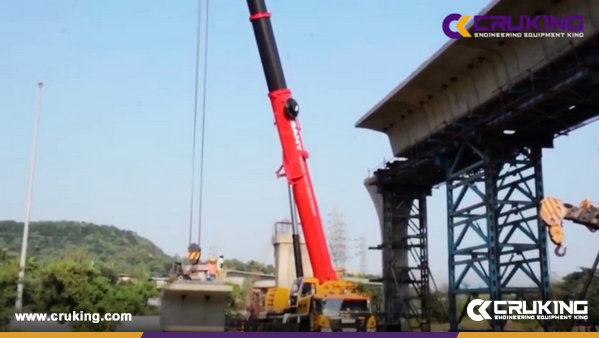
CRUKING | SANY SAC2200 All Terrain Crane

XCMG's World's Largest Tower Crane Was Delivered Smoothly
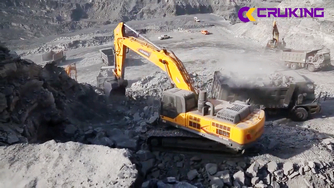
CRUKING | LOVOL Excavator FR480E
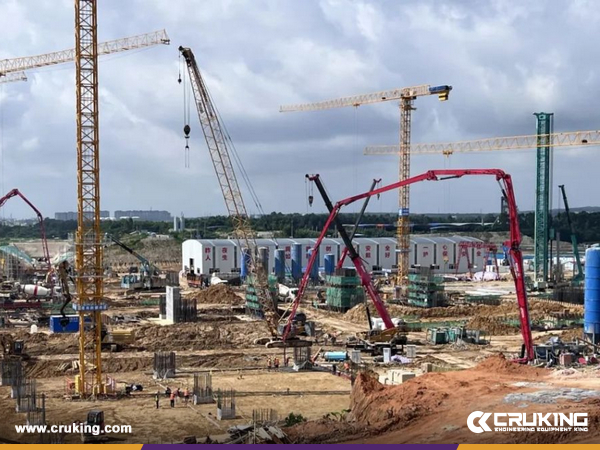
Guangzhou-Zhanjiang High-speed Railway: Demonstrating the Excellent Quality of SANY
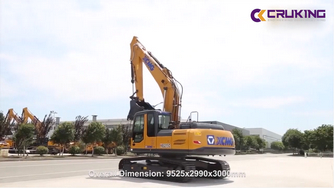
CRUKING | XCMG XE215C Excavator
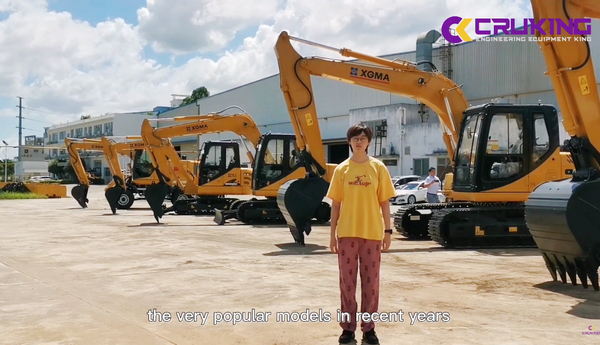
CRUKING | XGMA XG8065F Excavator
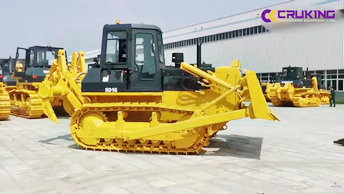
CRUKING | SHANTUI SD16 Bulldozer
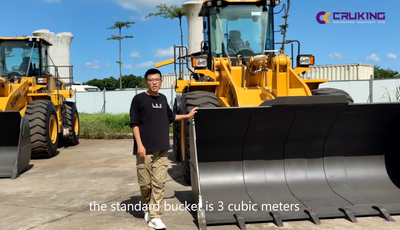
CRUKING | XGMA XG956N Wheel Loader
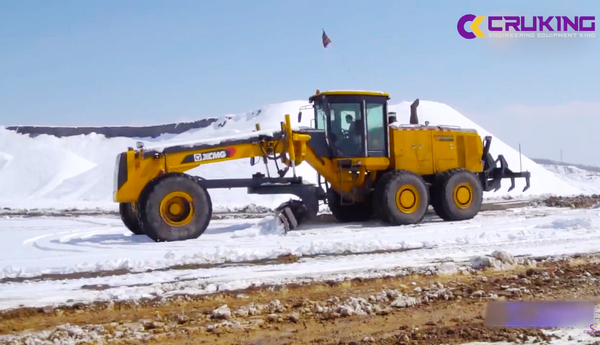
CRUKING | XCMG GR3505 Motor Grader
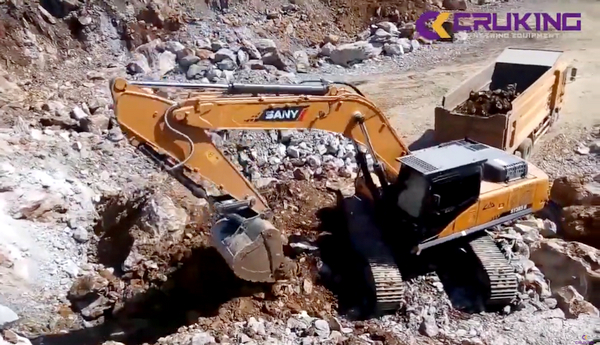
CRUKING | SANY SY365H Excavator
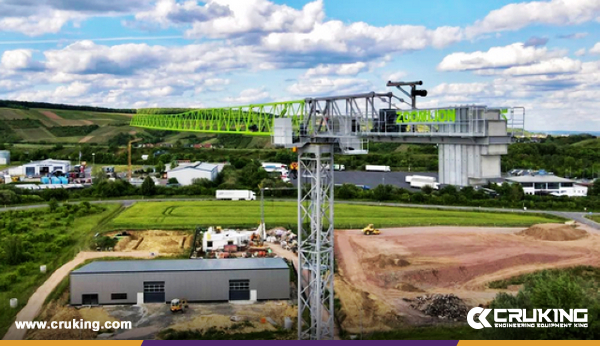
Bauma 2022 Preview: ZOOMLION's R-generation Tower Cranes to Appear at Bauma Germany
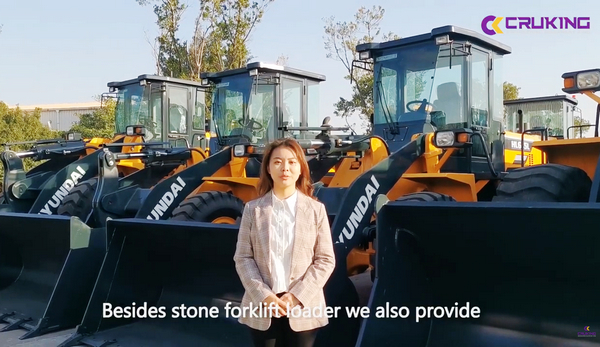
CRUKING | JINGONG JGM761FT20KV Forklift Loader

CRUKING | JINGONG JGM757KN Wheel Loader
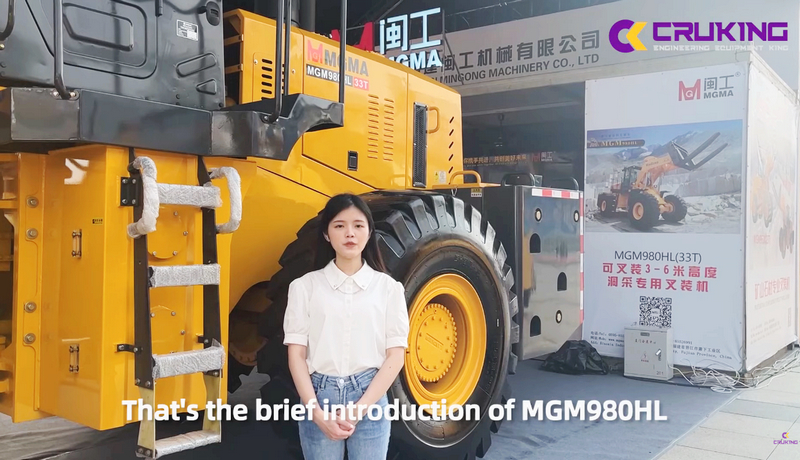
MGMA MGM980HL Mining Forklift Loader | Xiamen Stone Fair 2022
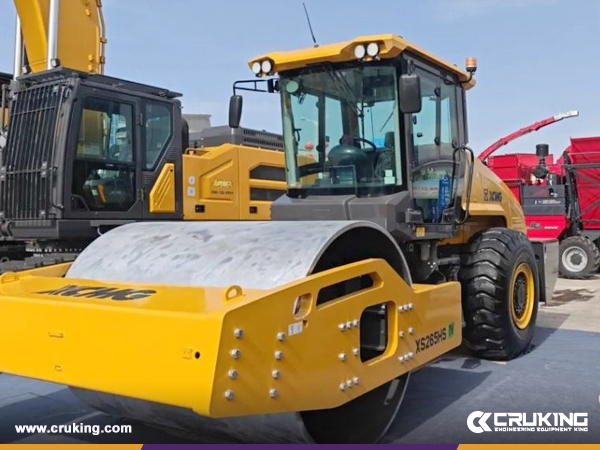
The 8th China-Eurasia Expo: XCMG Mining Machinery Shines!
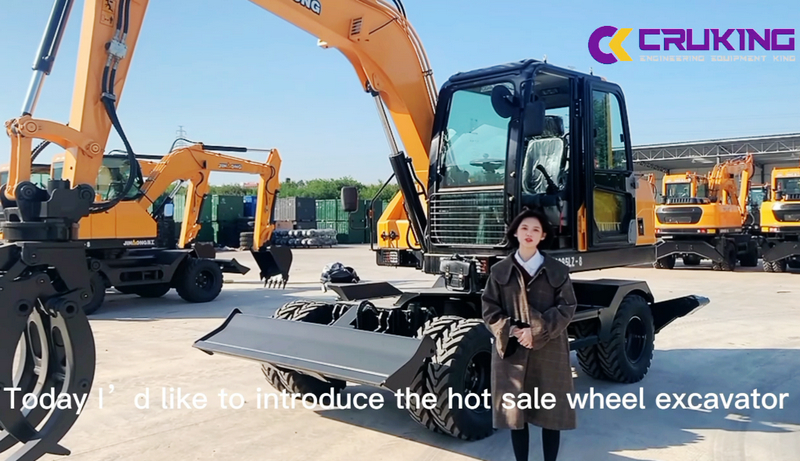
CRUKING | JINGONG JGM9085LNZ Wheel Excavator
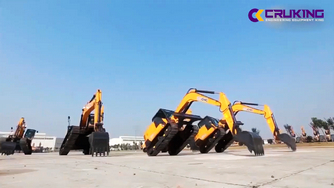
CRUKING | XCMG Crawler Excavators Show
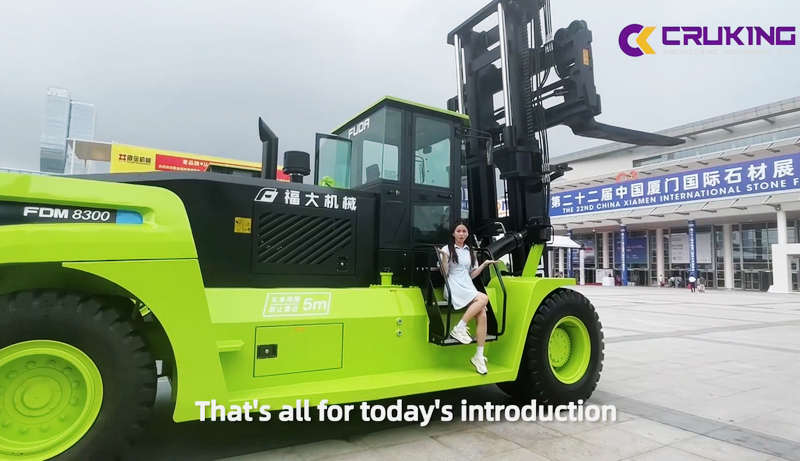
FUDA FDM8300 Forklift | Xiamen Stone Fair 2022
CRUKING LOVOL Wheel Loader FL968H
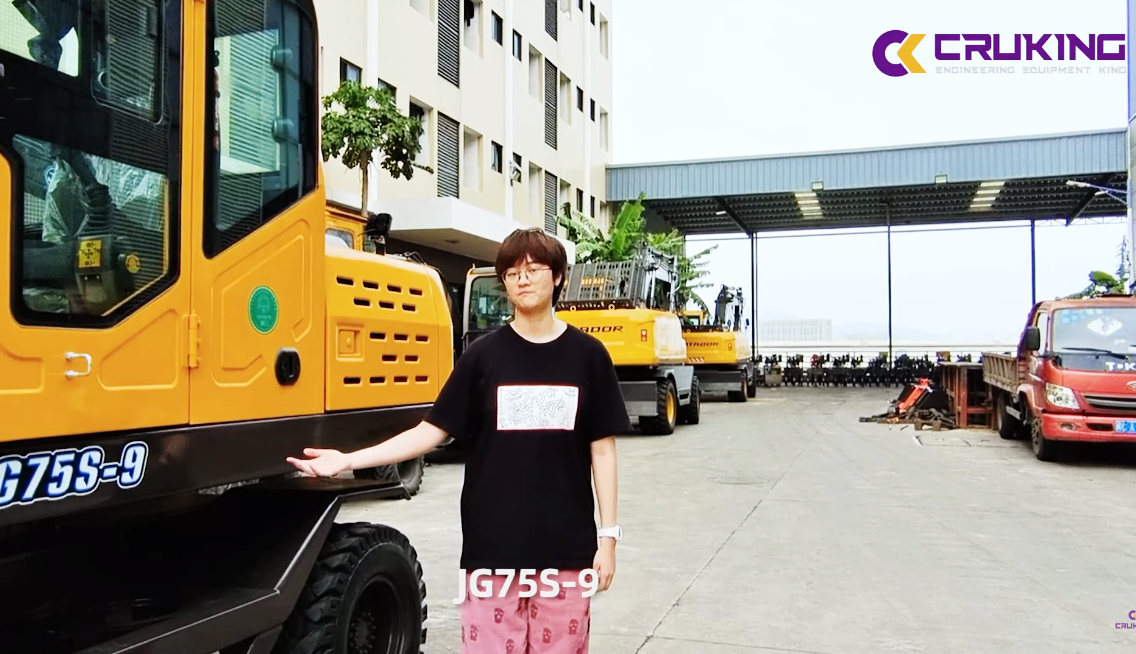
CRUKING | JINGGONG JG75S-9 Wheeled Excavator
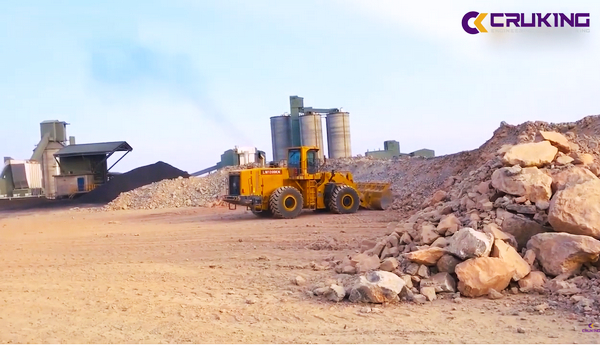
CRUKING | XCMG LW1200KN Wheel Loader
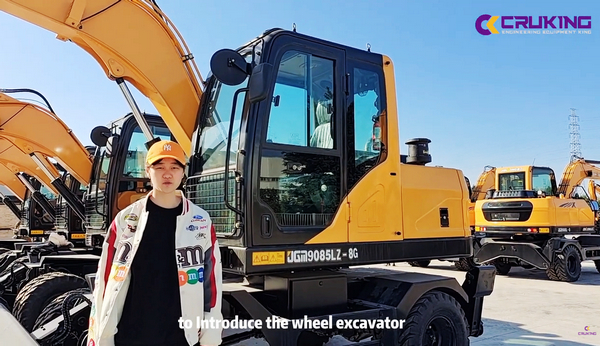
CRUKING | JINGONG JGM9085LZ-8G Excavator

SANY & Zero Carbon Logistics: Build N3 green charging network in Africa
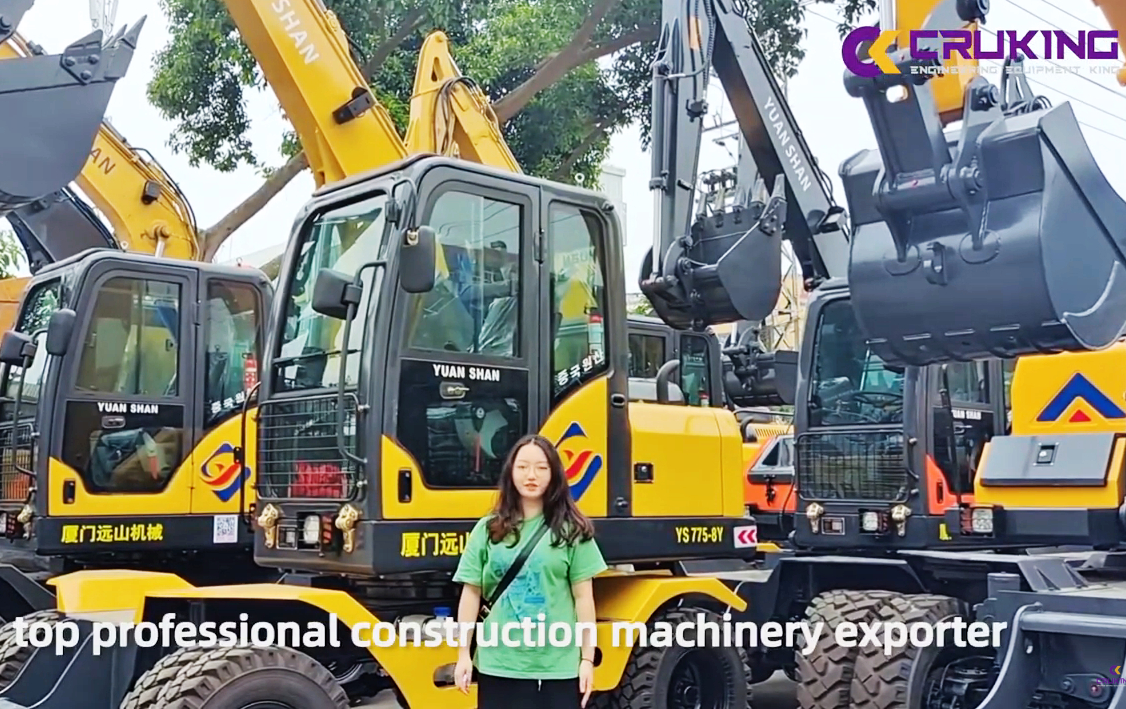
CRUKING | YUANSHAN YS775-8Y Wheeled Excavator

XCMG Earthmoving Remote Control Equipment Enables the Construction of Green Intelligen
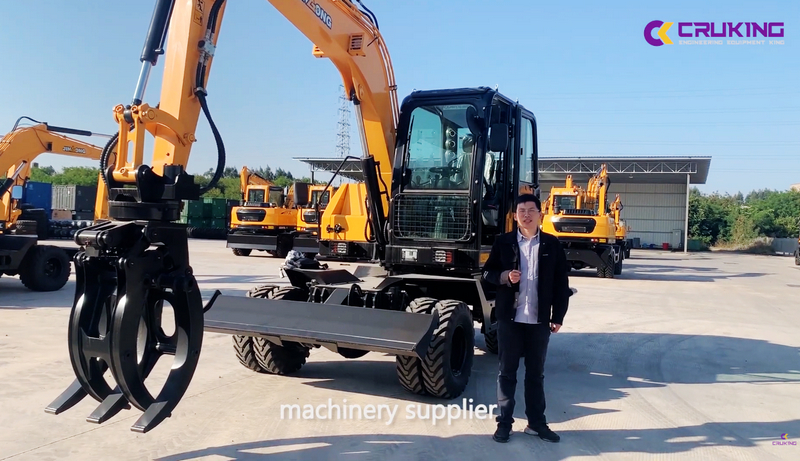
CRUKING | JINGONG JG9095LNZ Wheeled Excavator
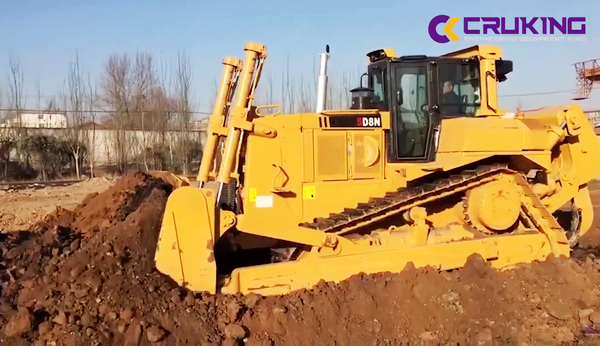
CRUKING | HBXG SD8N Bulldozer
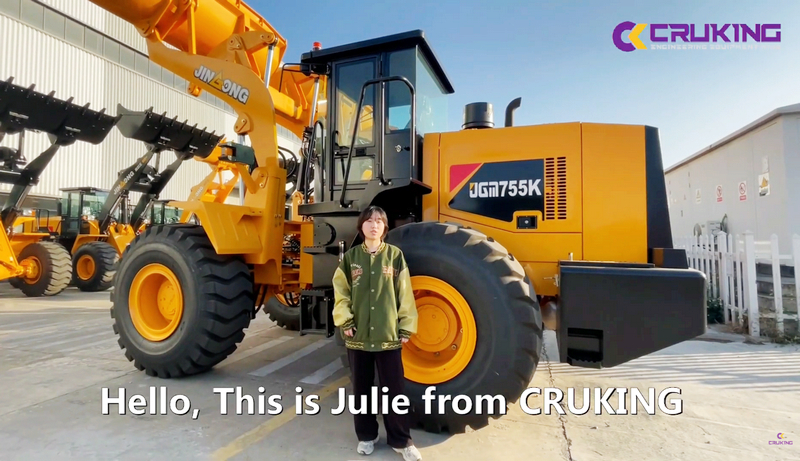
CRUKING | JINGONG JGM737K Wheel Loader
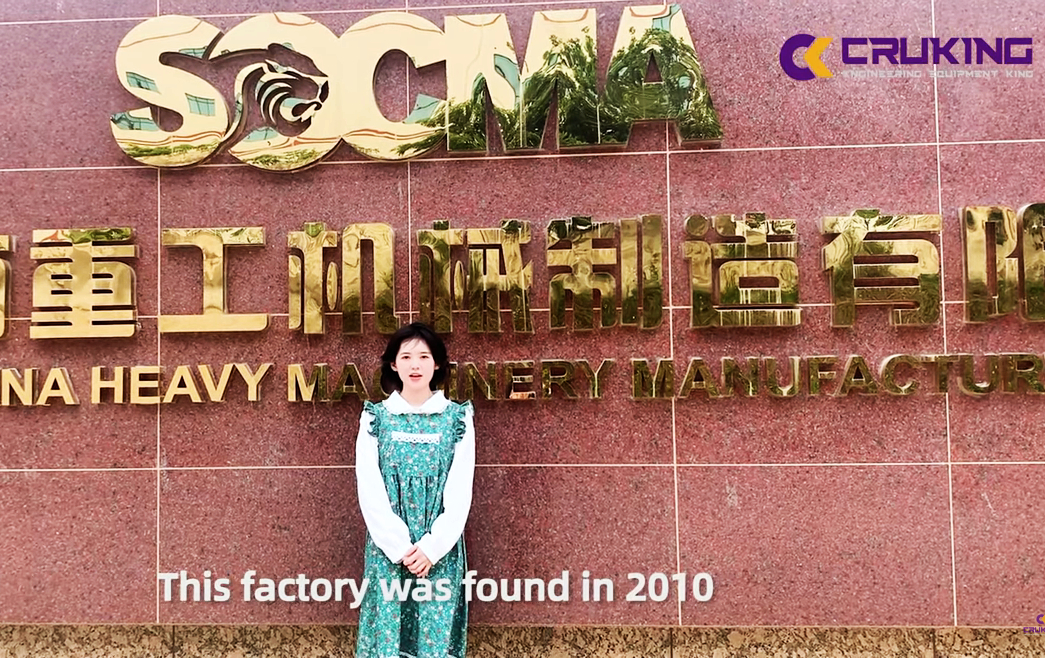
CRUKING | SOCMA HNF160 Heavy Forklift
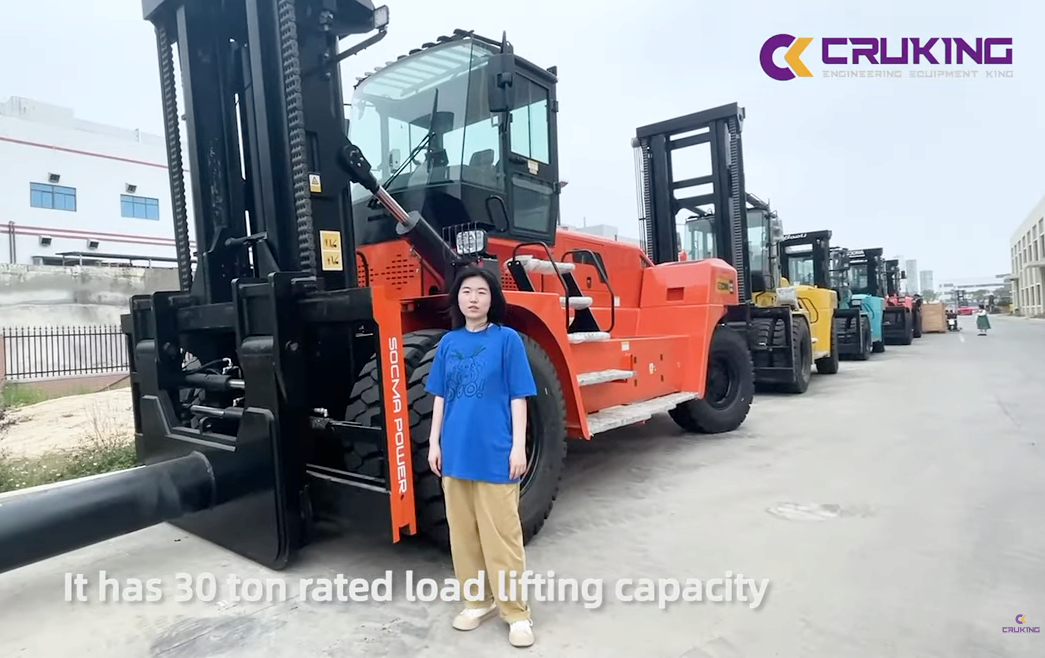
CRUKING | SOCMA HNF300 Heavy Forklift
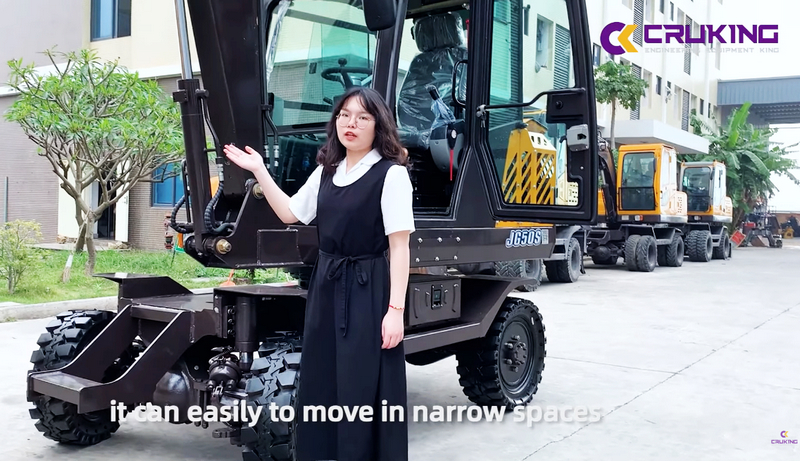
CRUKING | JINGGONG JG50S Wheeled Excavator
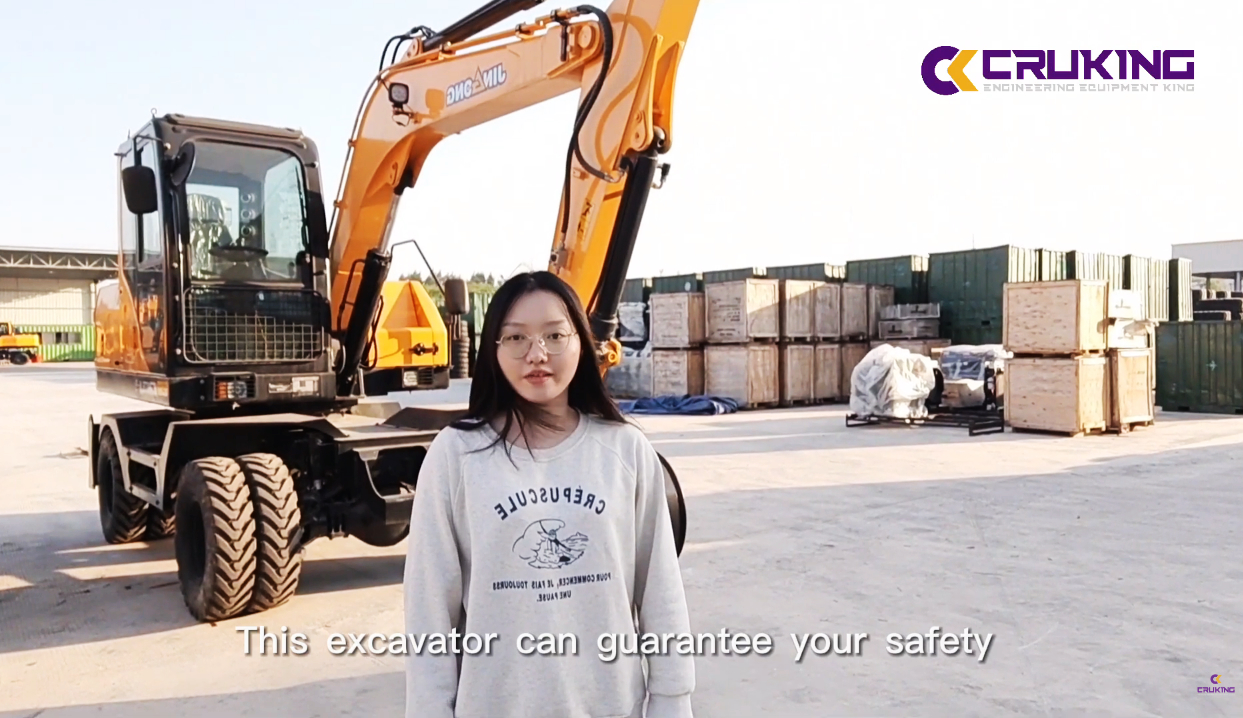
CRUKING | JINGONG JGM9075LN-9 Wheel Excavator
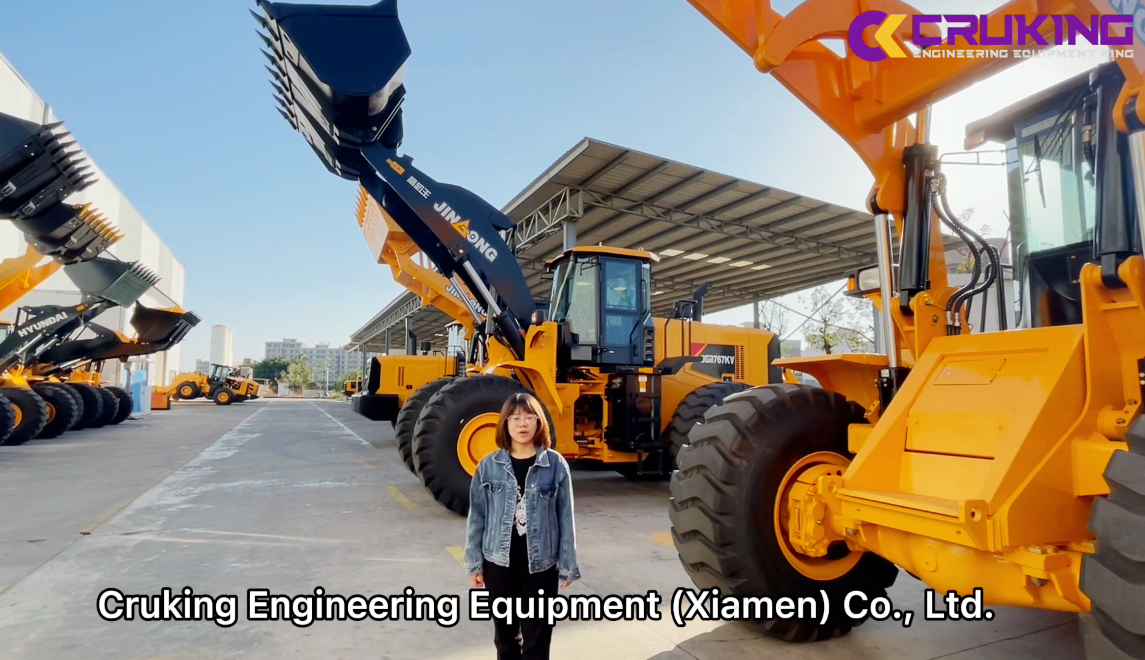
CRUKING | JINGONG JGM767 Wheel Loader
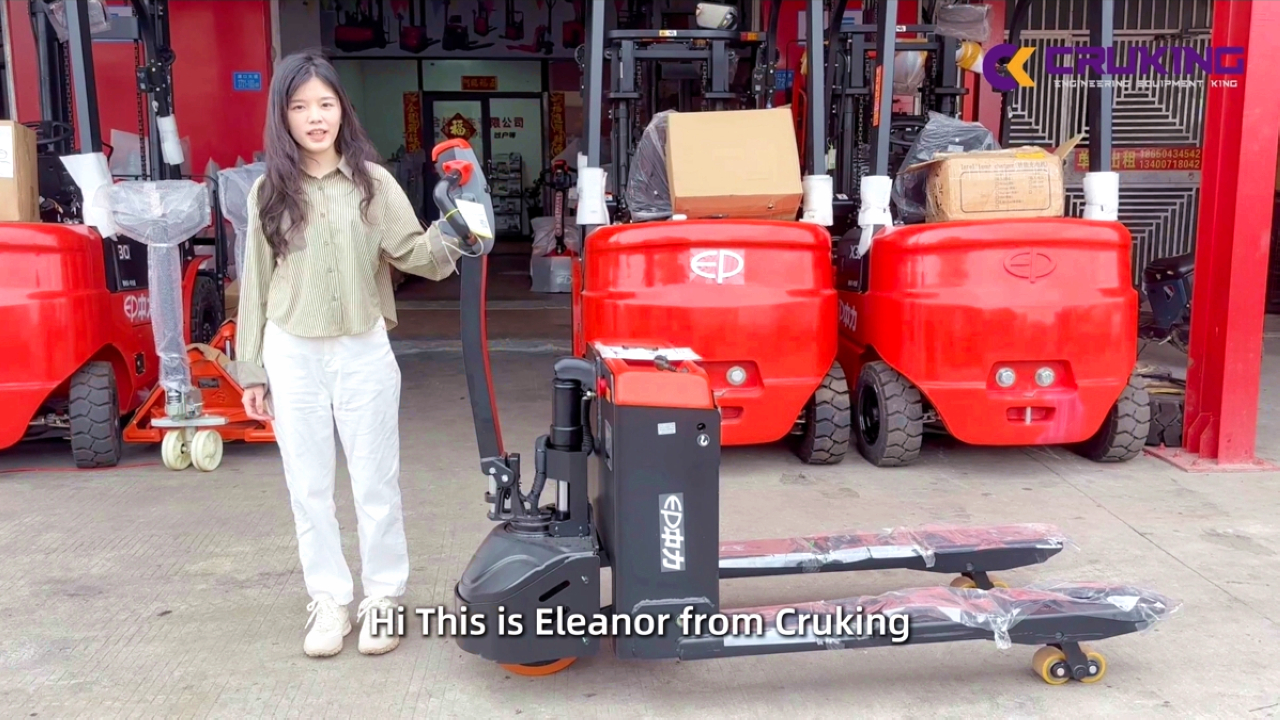
Make Logistics Easier: ZHONGLI EPT20-20ETH Walkie Pallet Truck
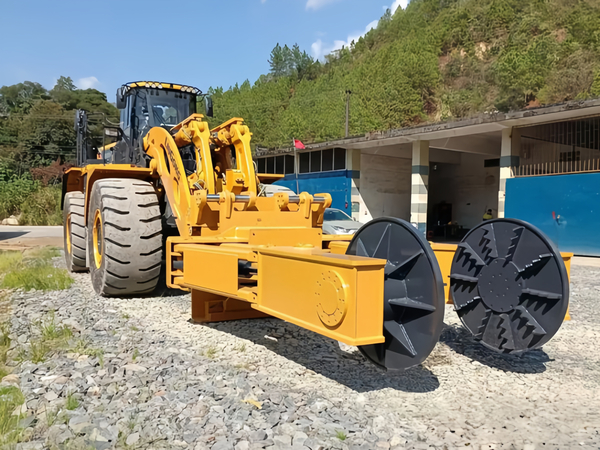
LIUGONG 8128H Loader Helps Green Mine Construction
CRUKING | JINGGONG JG150S Wheeled Excavator
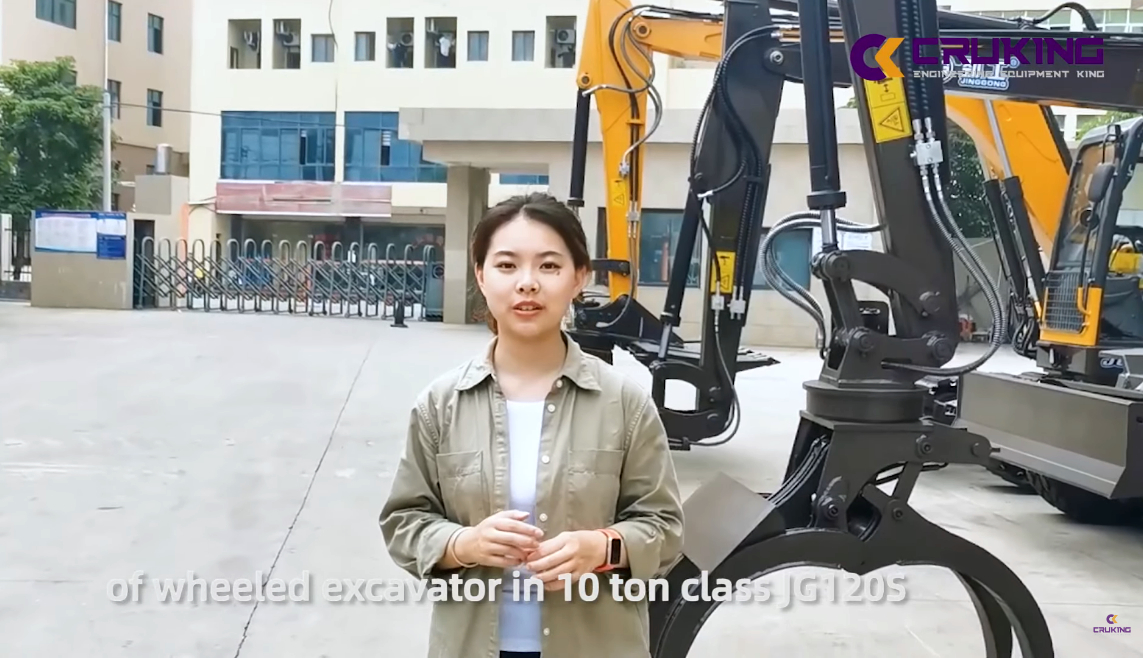
CRUKING | JINGGONG JG120S Wheeled Excavator
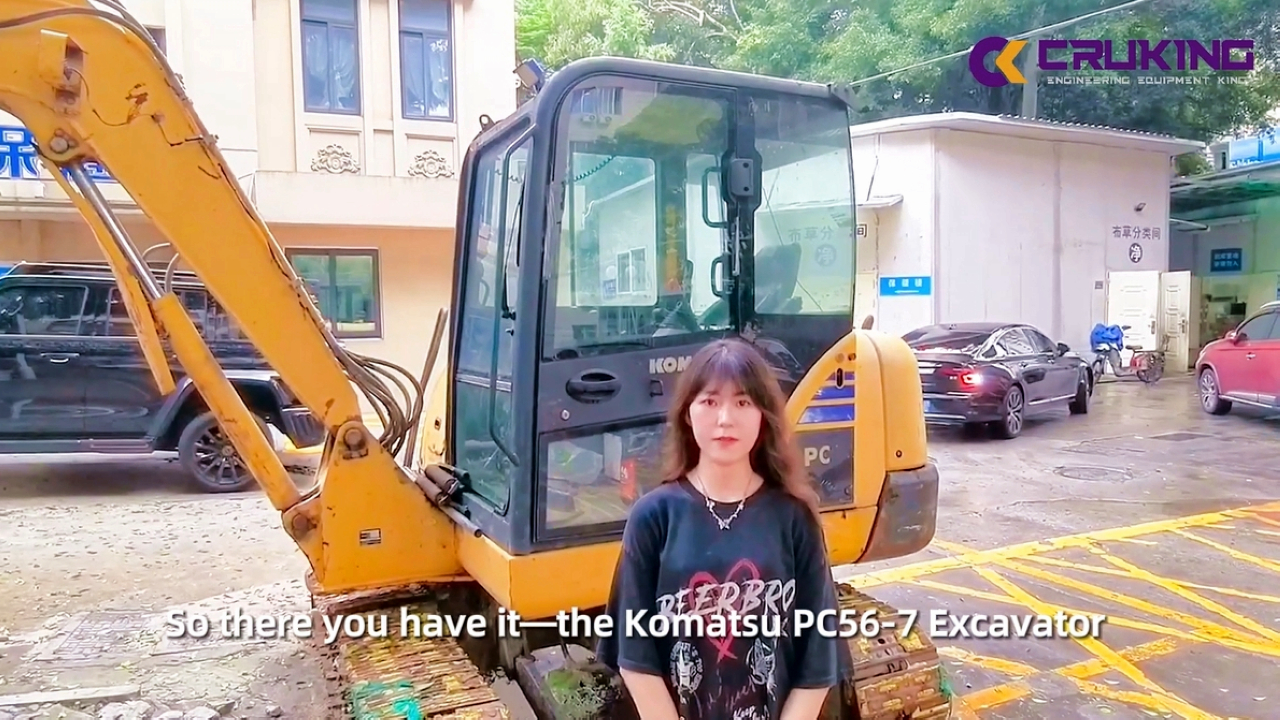
KOMATSU PC56-7 Excavator: The Perfect Combination of Power & Efficiency

CRUKING Team Enjoys Touring Guilin
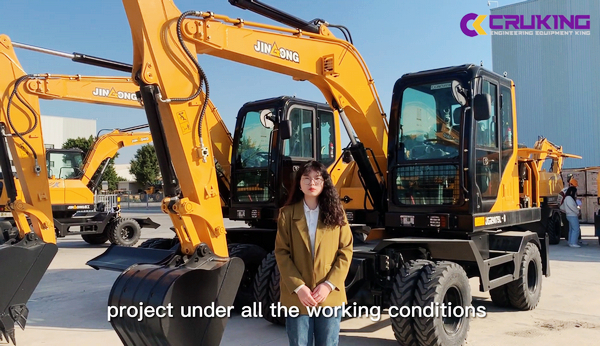
CRUKING | JINGONG JGM9075L Wheel Excavator
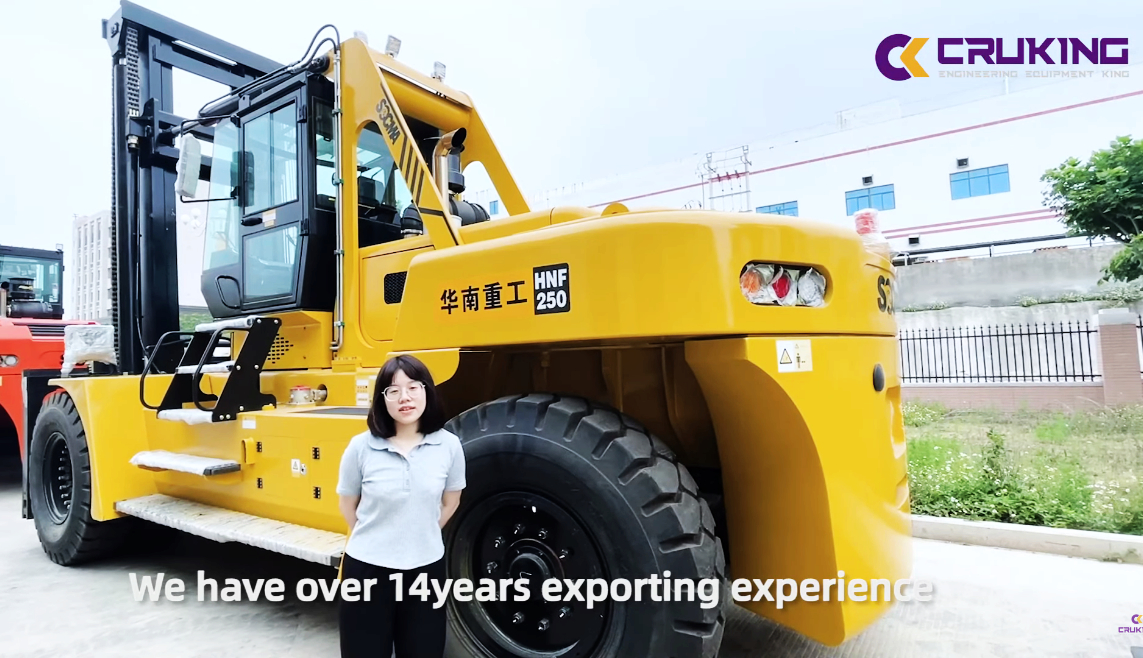
CRUKING | SOCMA HNF250 Heavy Forklift
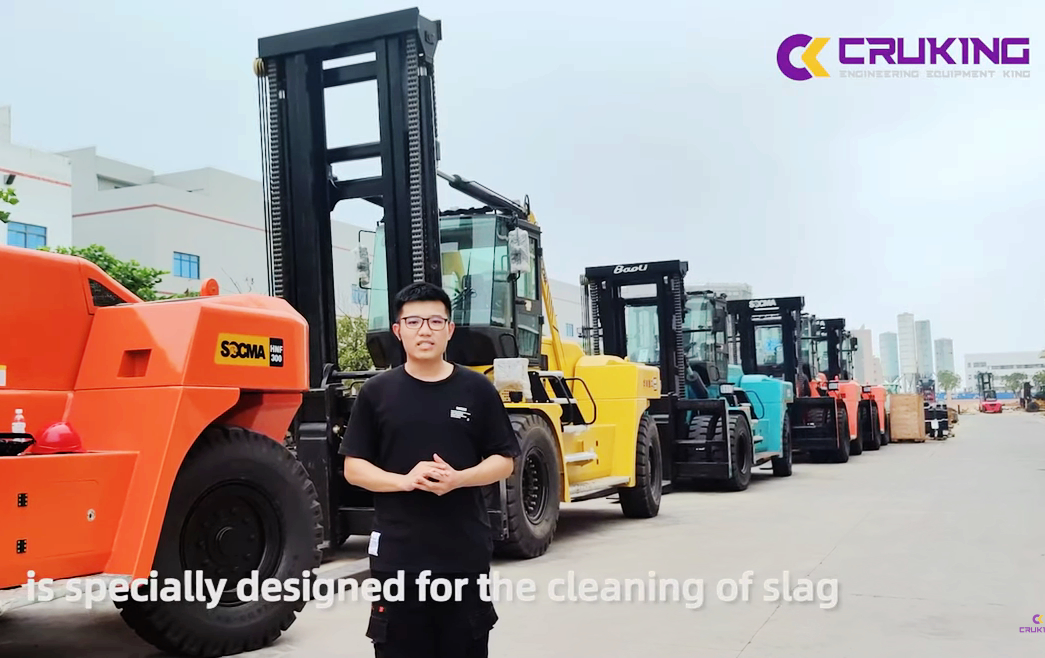
CRUKING | SOCMA HNBZ8512 Heavy Forklift
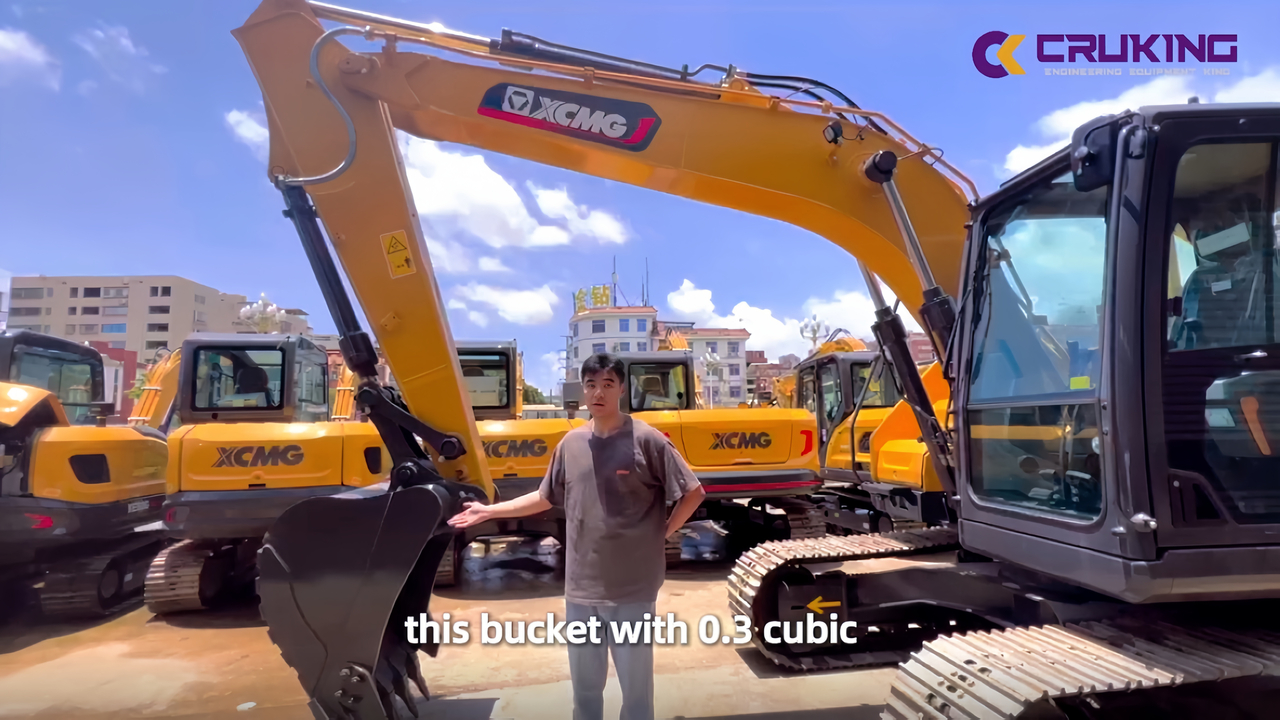
Efficient Construction Expert: XCMG XE135GA Excavator
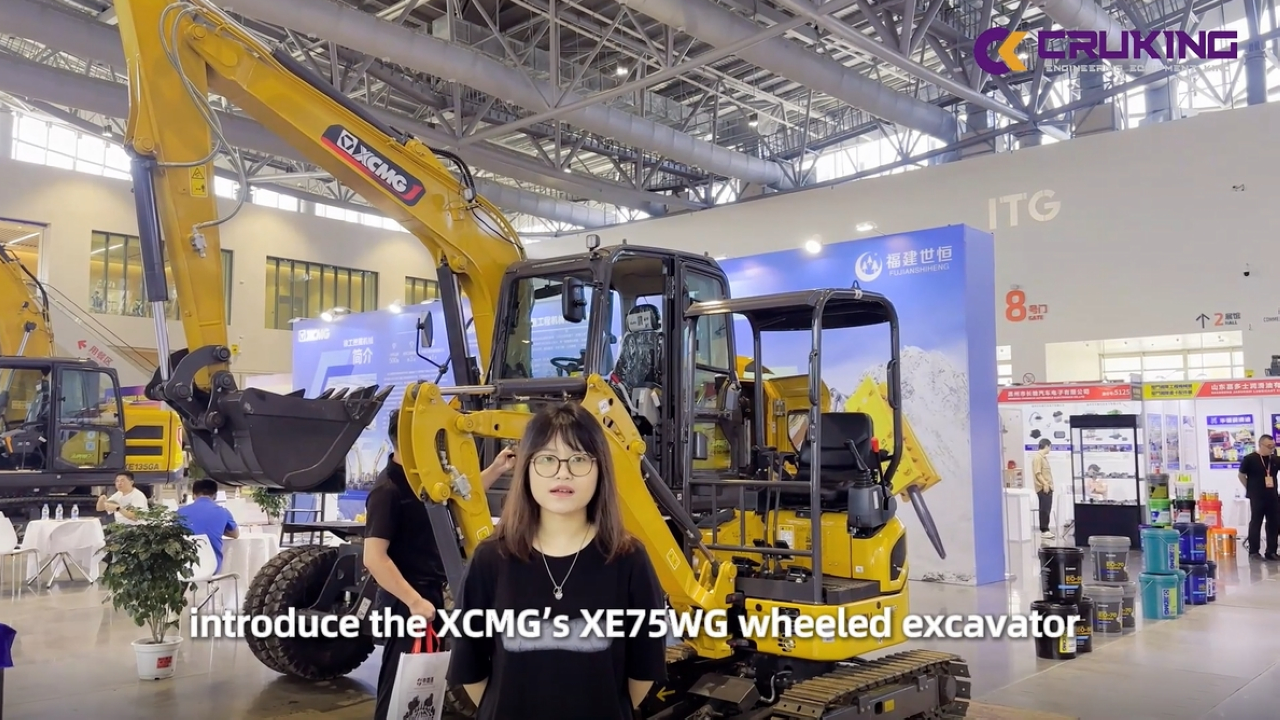
Machinery Showcase: XCMG XE75WG Wheeled Excavator

LIUGONG 906F Excavator Diversified Configurations Introduction
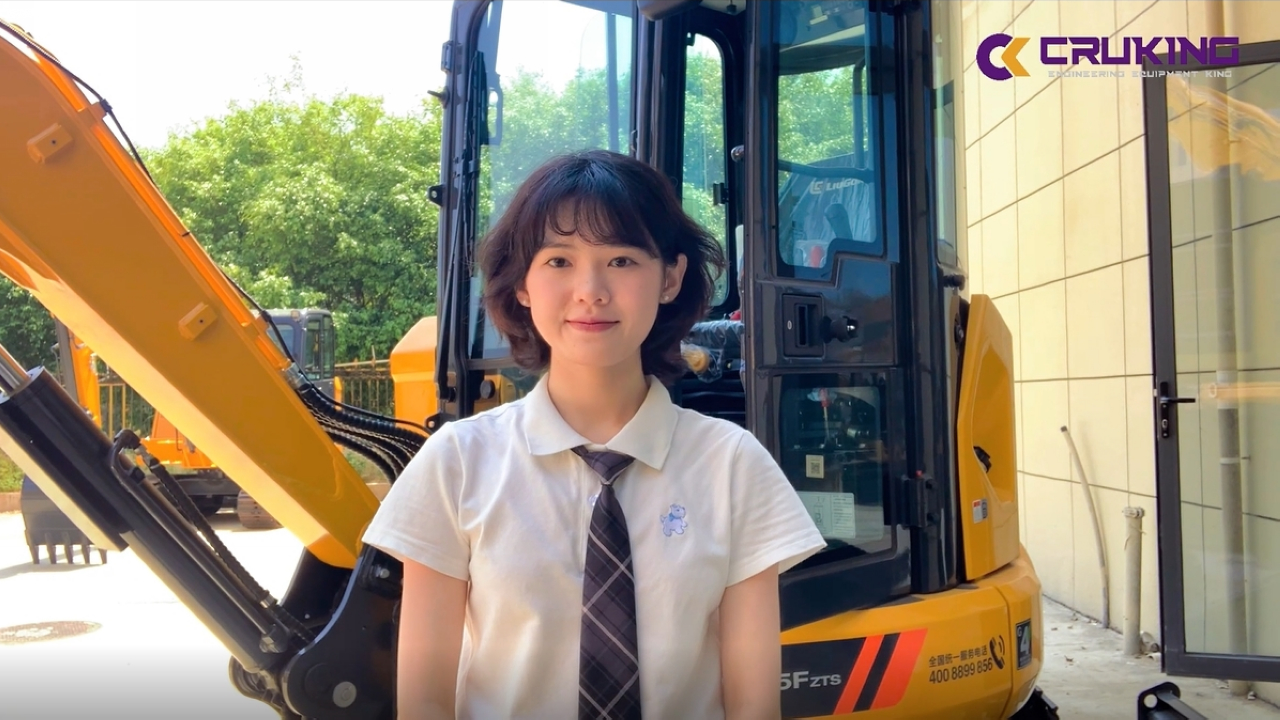
Cost-Effective Mini Excavator: LIUGONG 9035F

SANY Marine Launches First Pure-Electric Material Handler SMHW40E
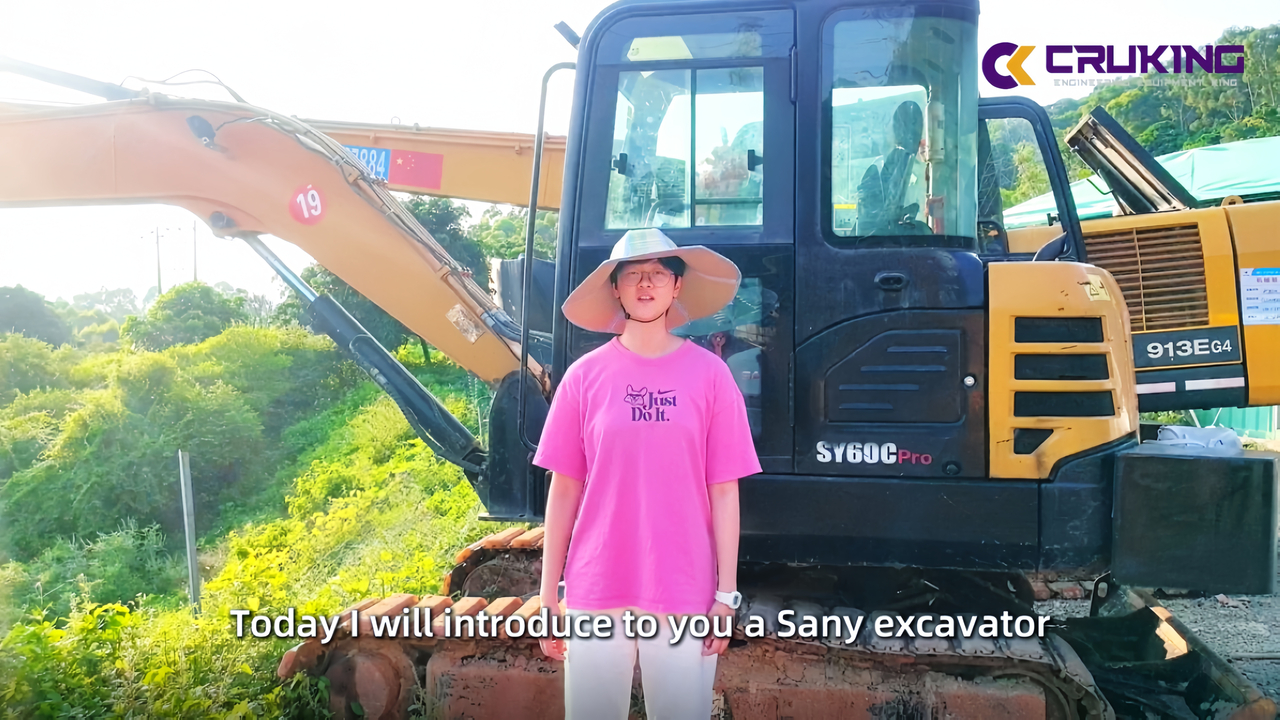
The Impressive Reach and Power of SANY SY60CPRO Excavator
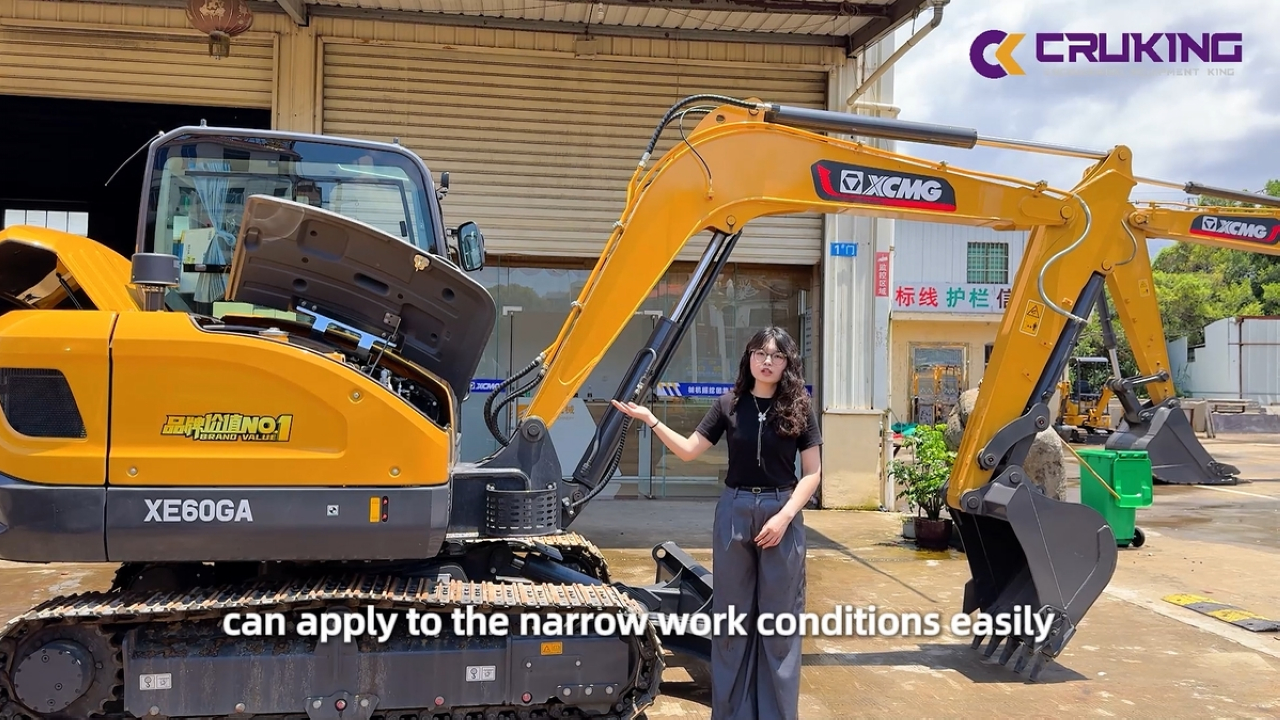
XCMG XE60GA Excavator: Strength and Wisdom Go Hand in Hand
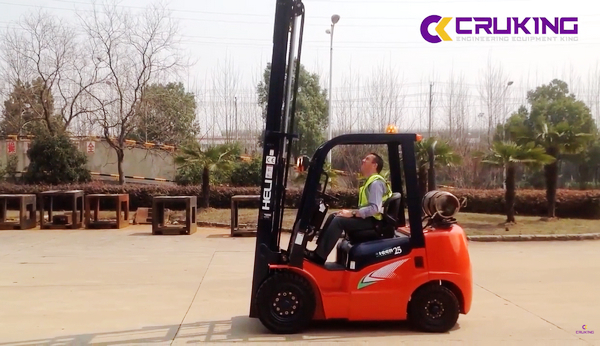
CRUKING | HELI CPCD25 Forklift
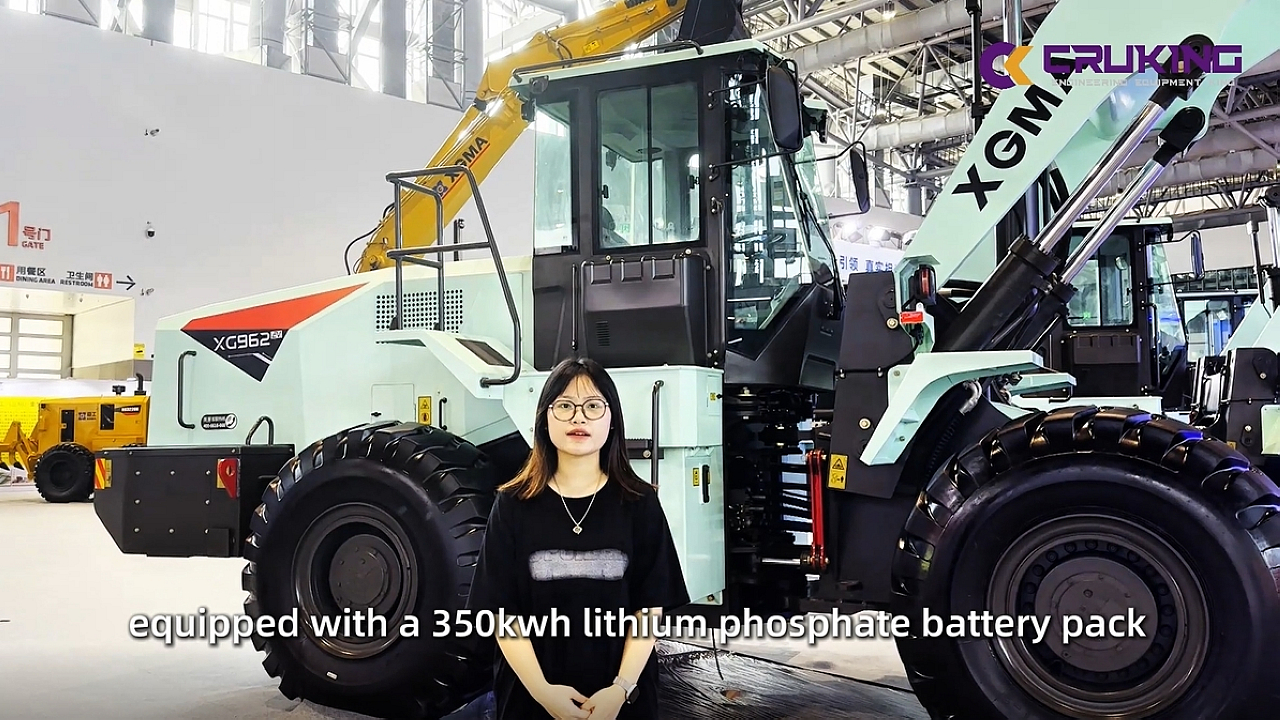
Elevating Construction Standards with XGMA Machinery
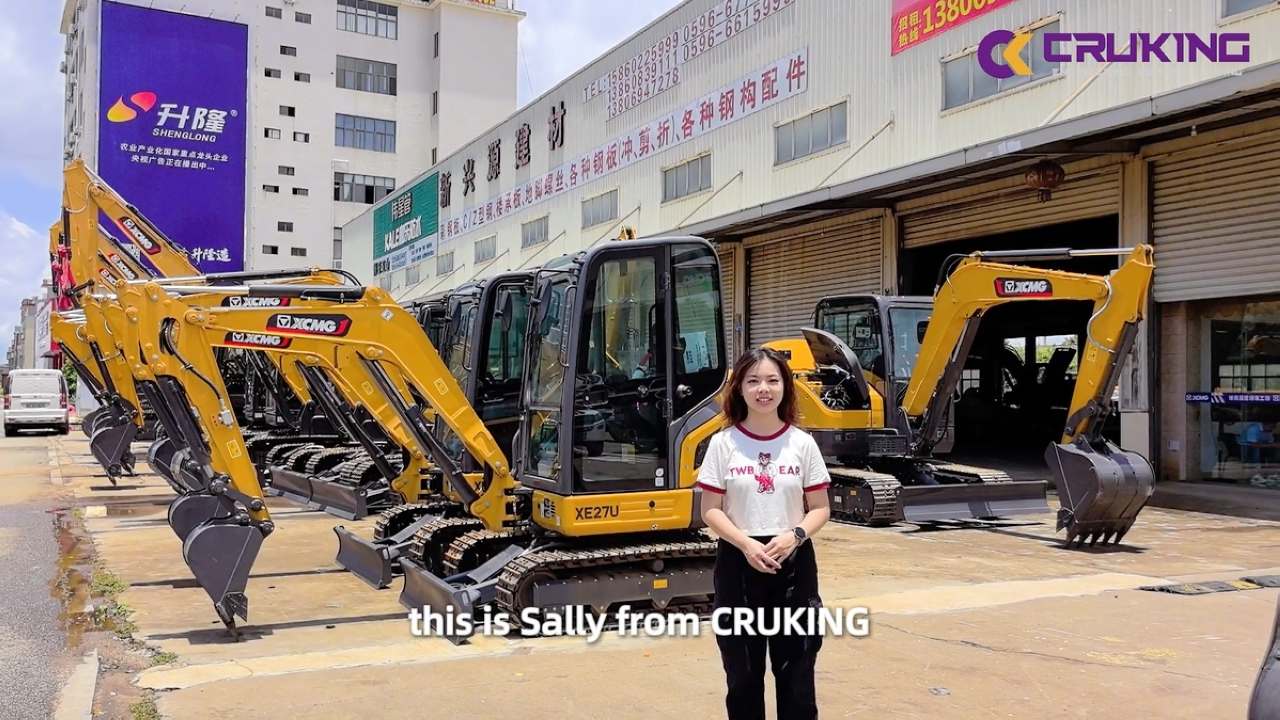
The Reliable Choice for Excavation Projects: XCMG XE200GH Excavator
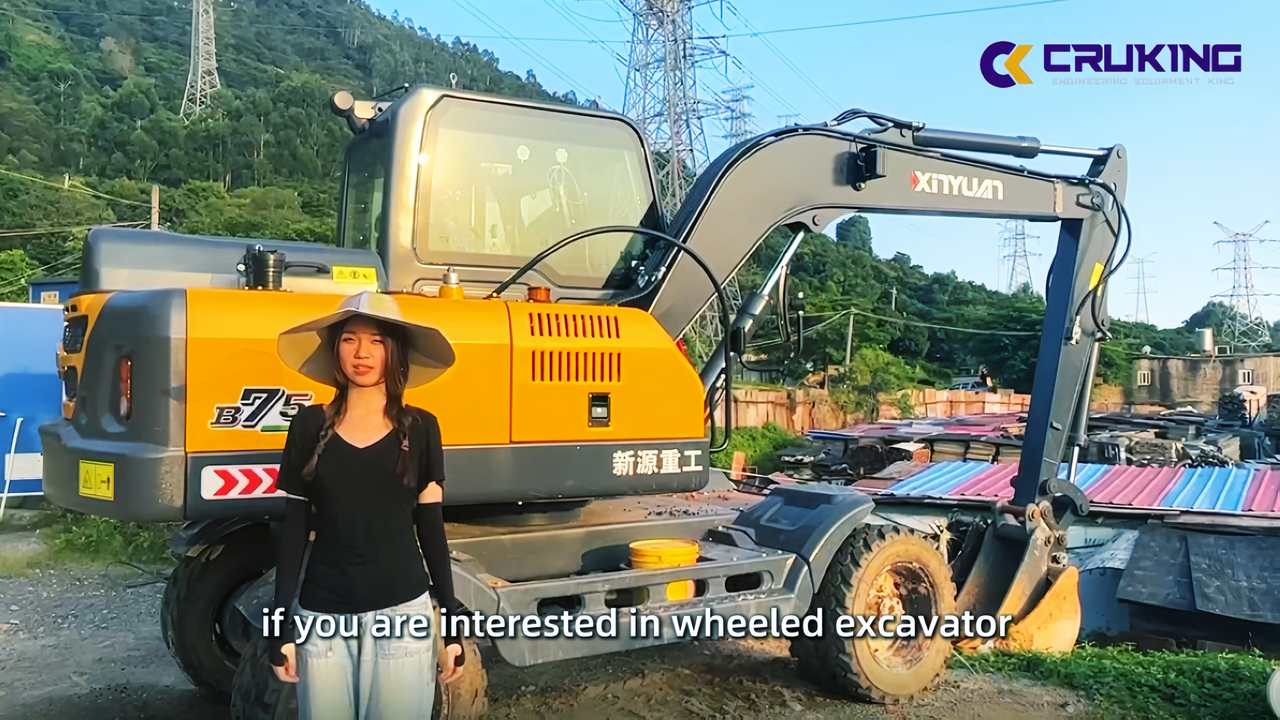
Flexible Operation: XINYUAN B75ECO Wheeled Excavator
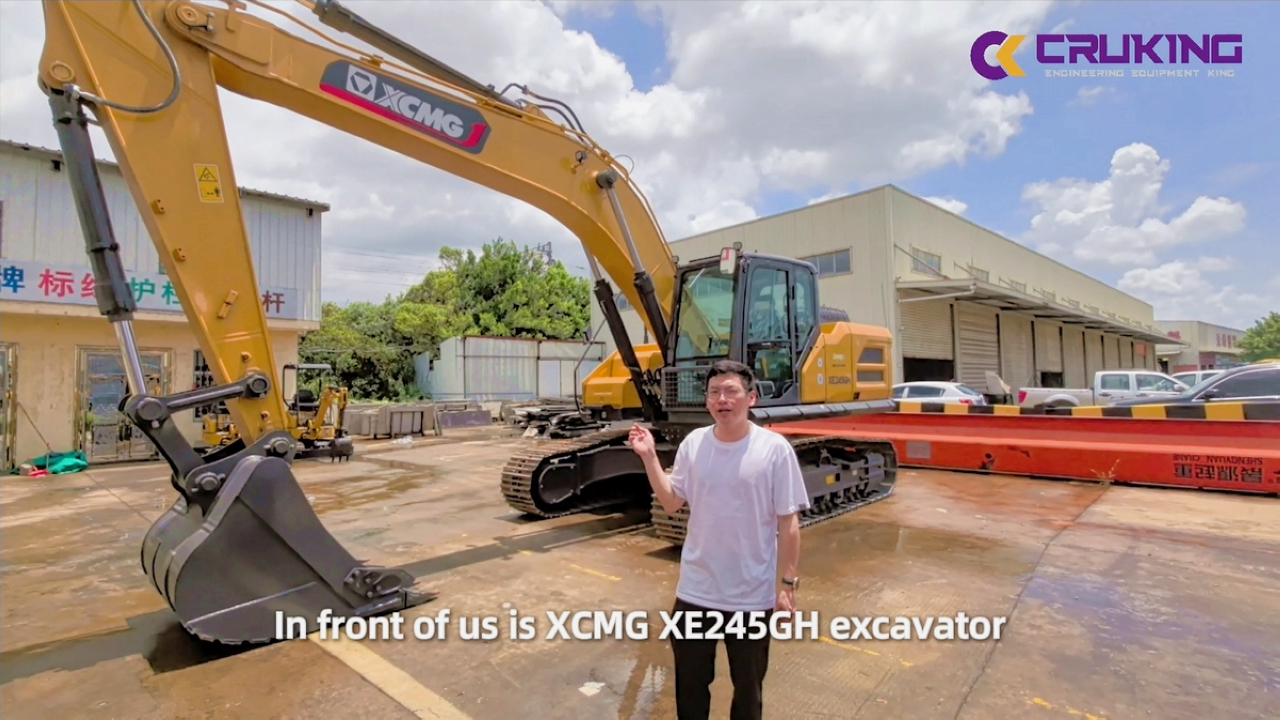
XCMG XE245GH Excavator Strength Showcase
SANY Group Leads Digital Intelligence
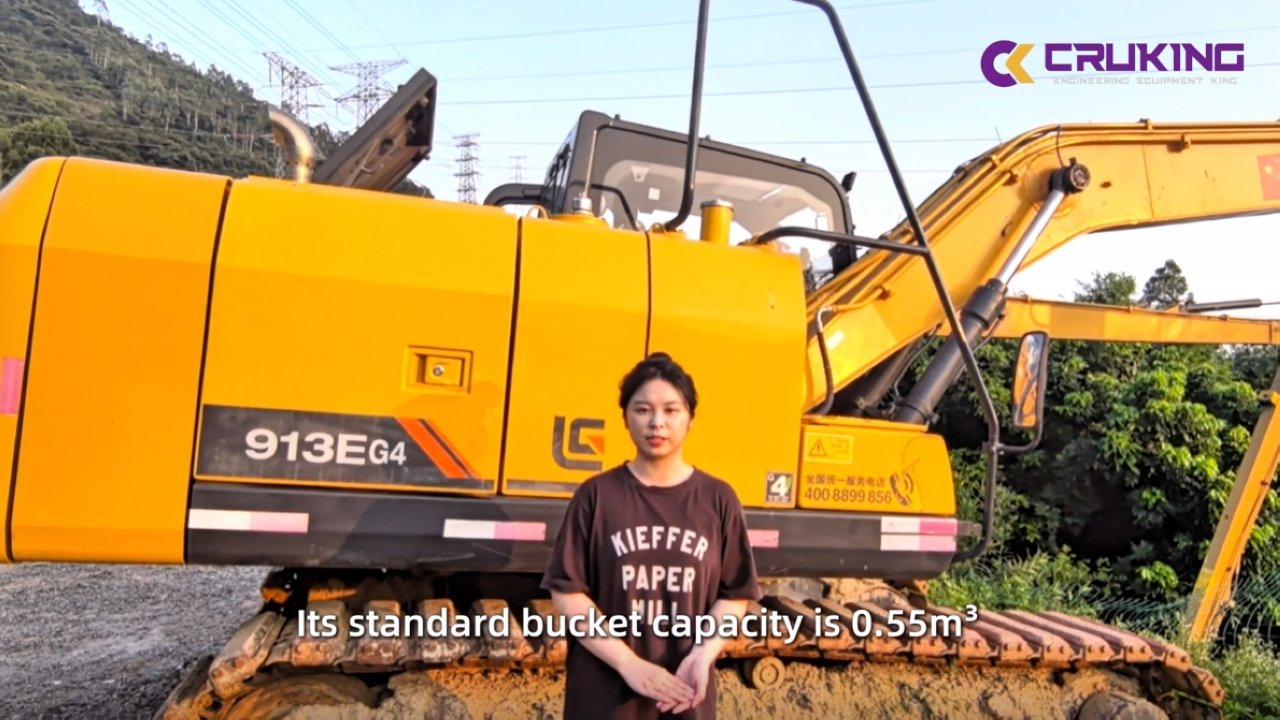
LIUGONG 913EG4 Excavator: Master of Earthmoving Tasks
SANY's Kazakh Exhibition Ends Successfully
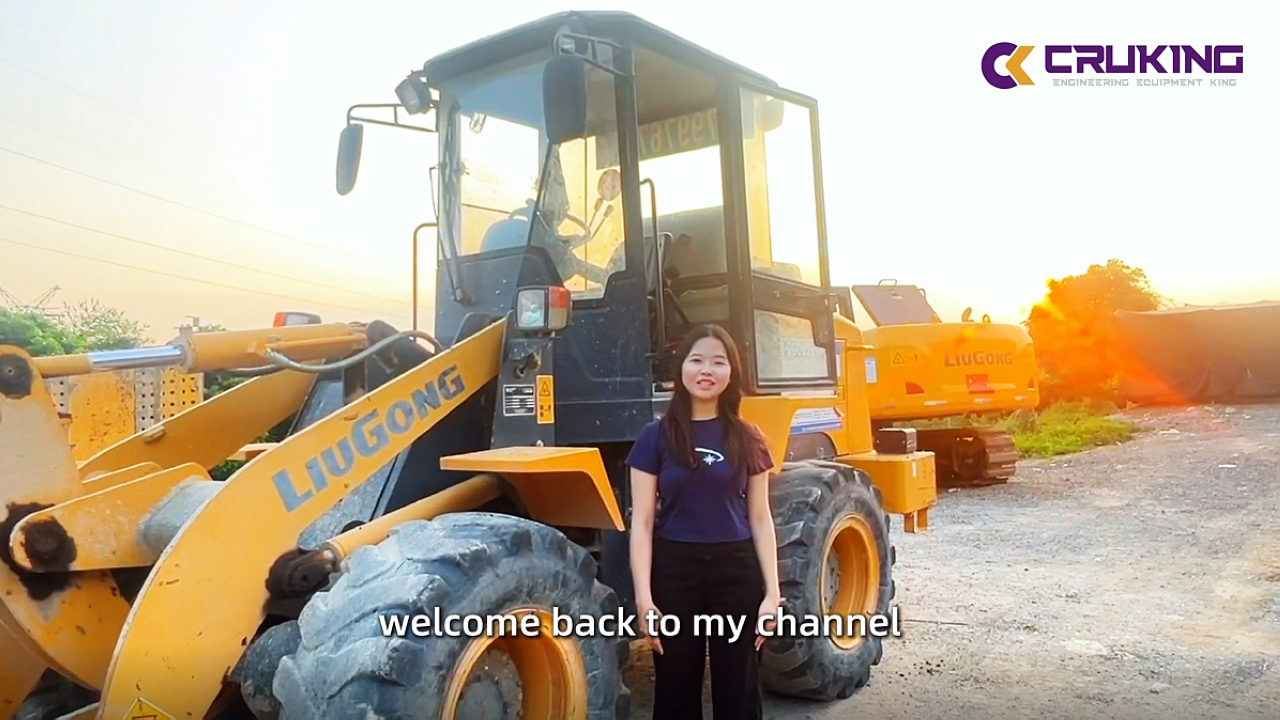
Discover the Advantage of LIUGONG CLG816C Wheel Loader
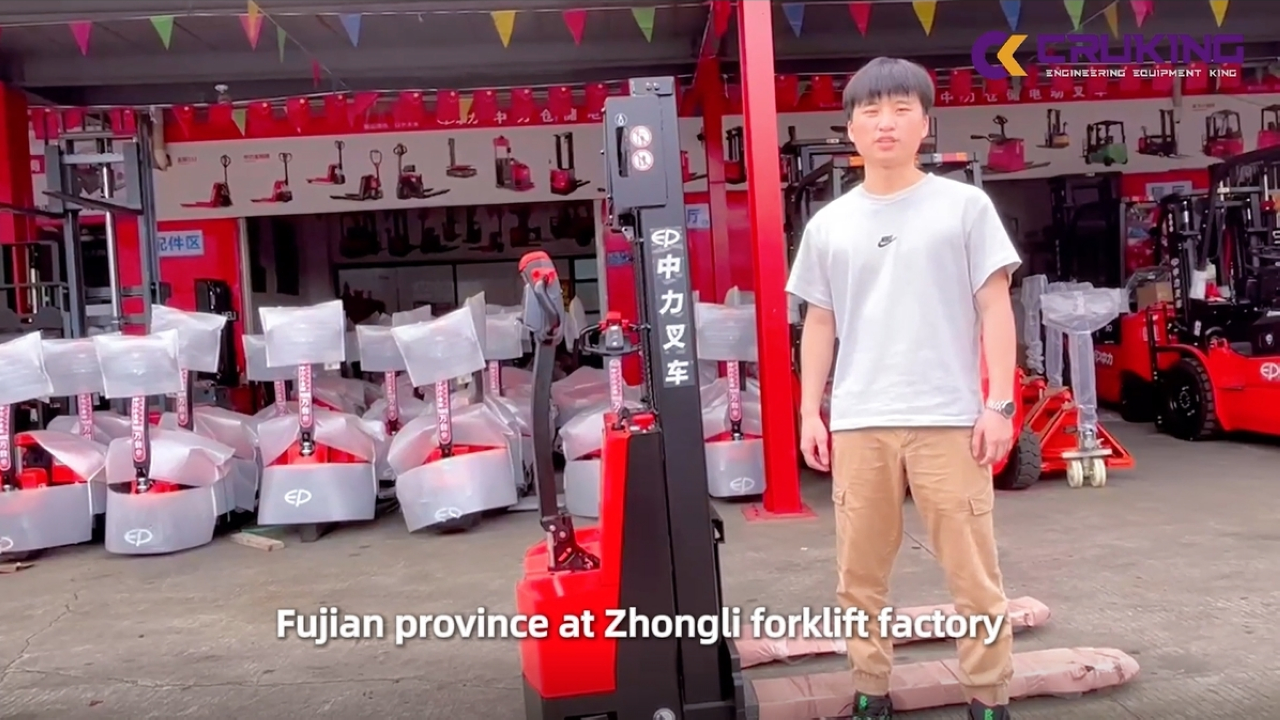
Double the Efficiency of ZHONGLI Pallet Stacker
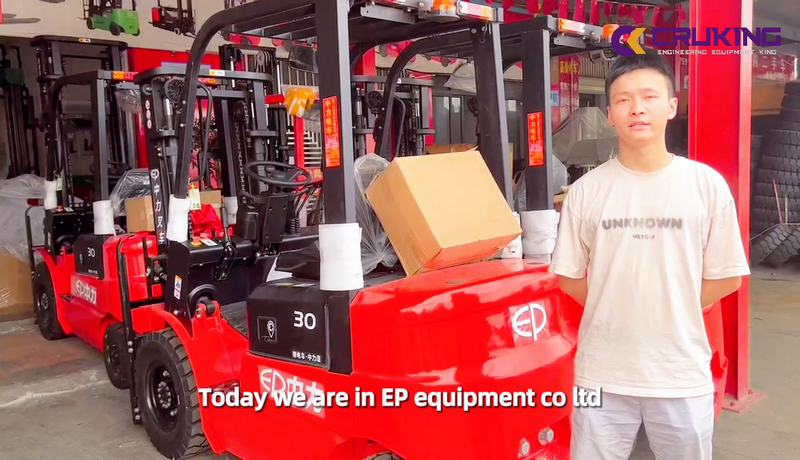
Unleashing Efficiency: EP Electric Forklift for Material Handling
A Comprehensive Guide to HOWO Tractor with XGMA Machinery
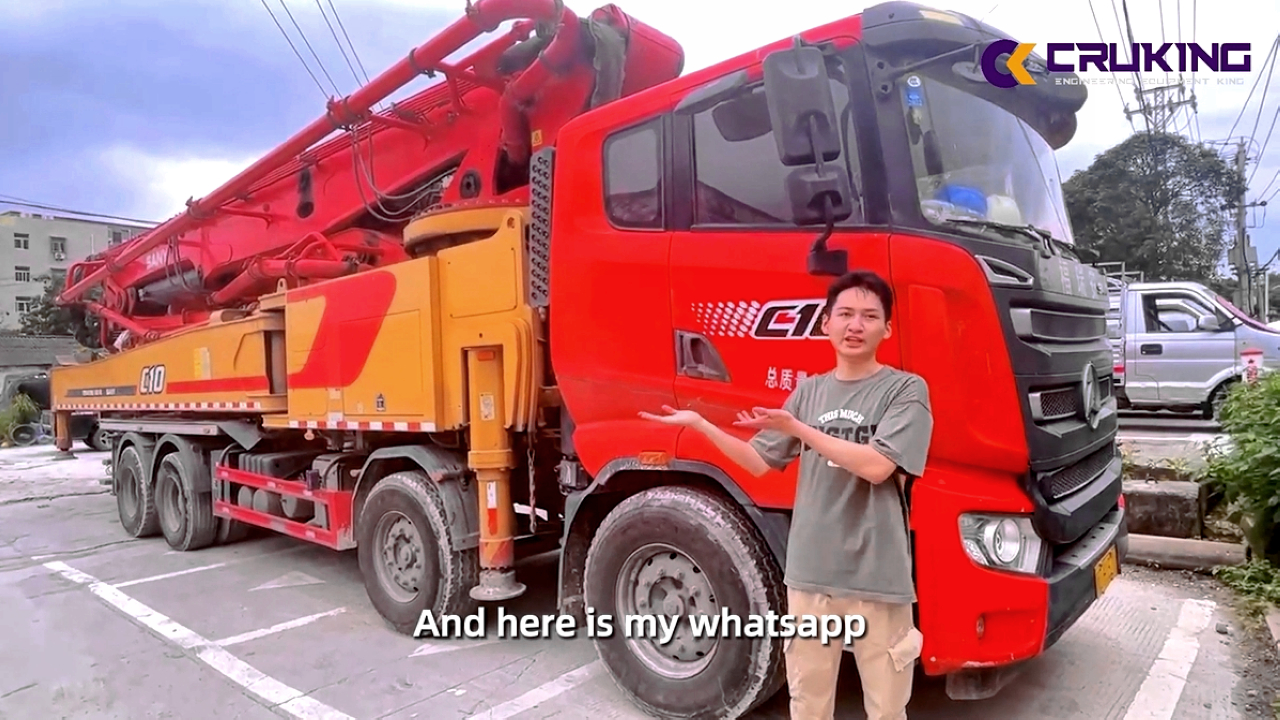
A Closer Look at the SANY SYM5445THBES Concrete Pump Truck

SOCMA HNF1202 Heavy-Duty Forklift Features & Benefits

XCMG Equipment Sold to North America in Bulk
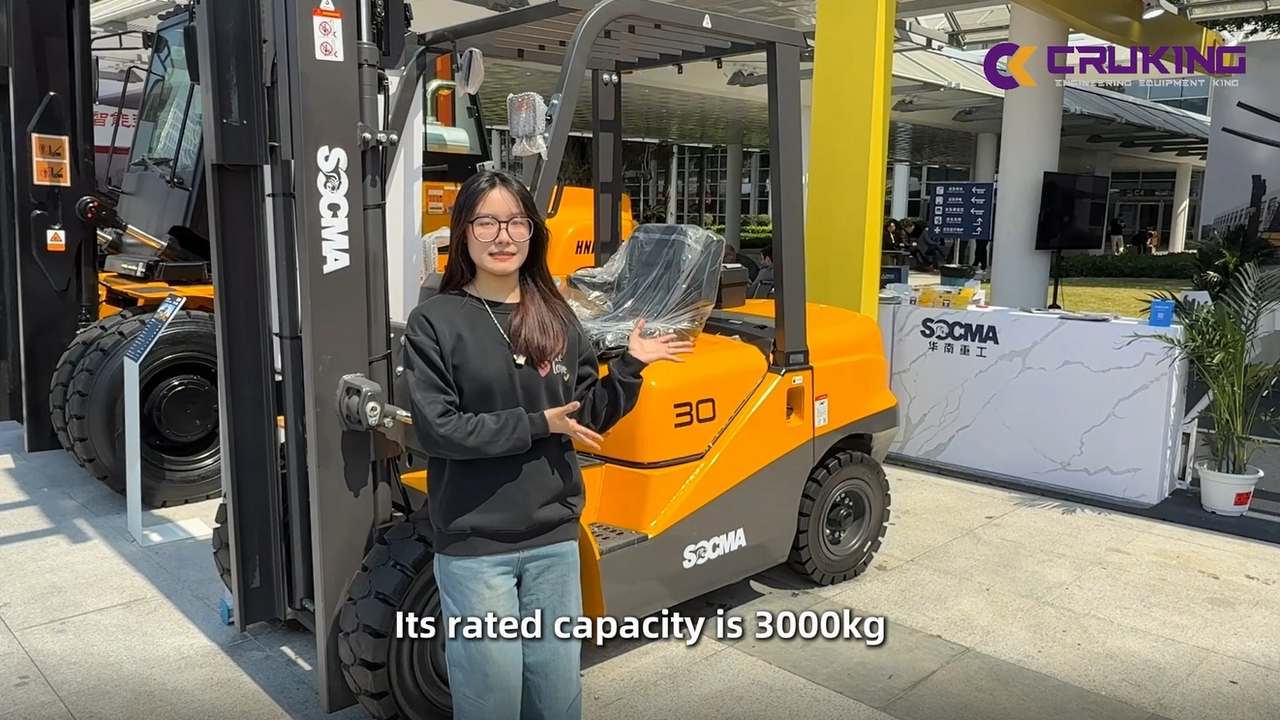
SOCMA HN30 Diesel Forklift Features & Benefits
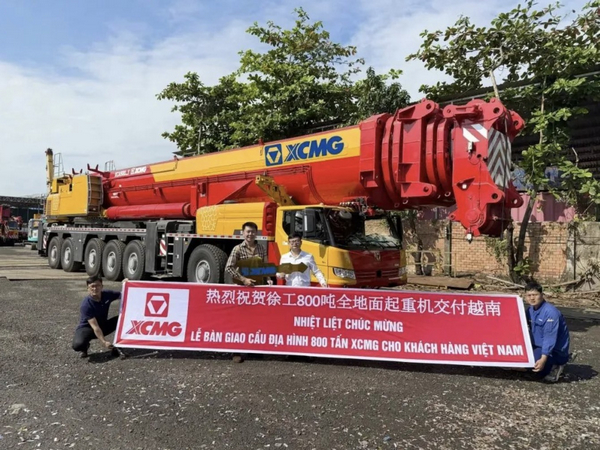
XCMG's Hardcore Technology Builds a New Paradigm for China-Vietnam Production Capacity

Xiangshan Forum Chongqing: Spotlight on the Backup Power Supply of CUMMINS Data Center

More Efficient Cleaning: DONGFENG Garbage Truck

XCMG Brings Its “Tropical Special Machine" to Thailand
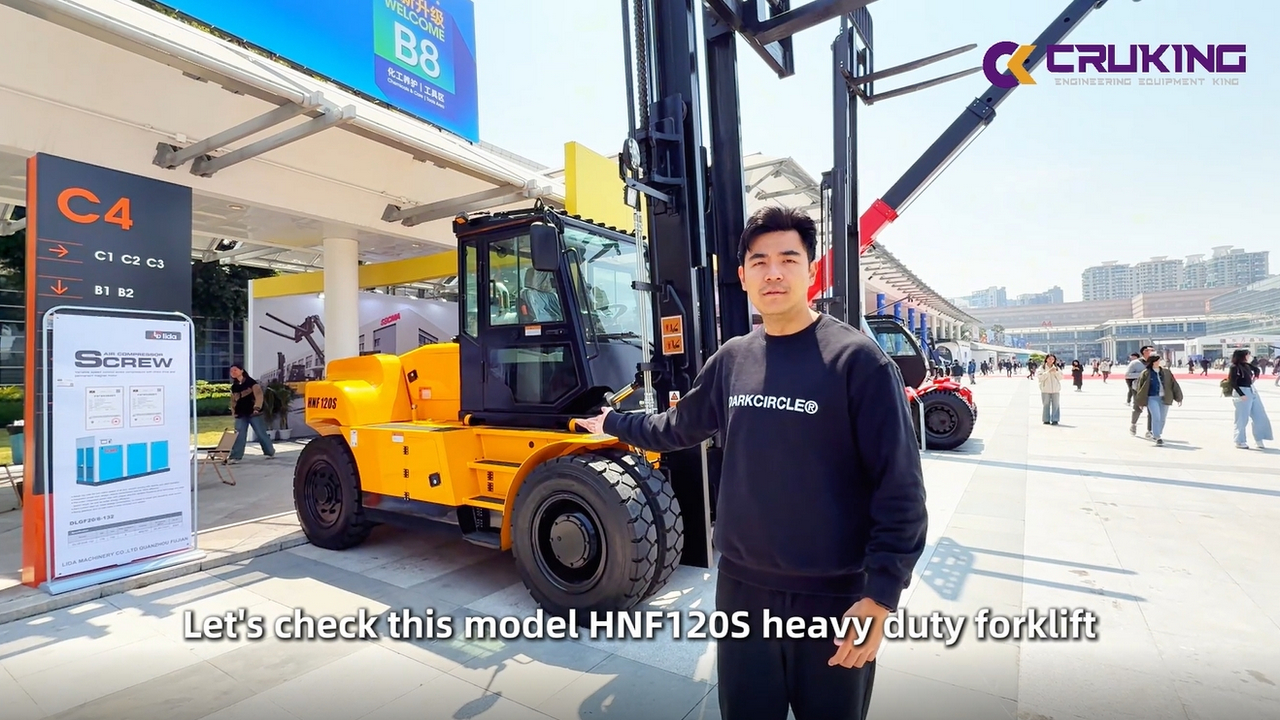
Boost Productivity with the SOCMA HNF1202 Heavy-Duty Forklift
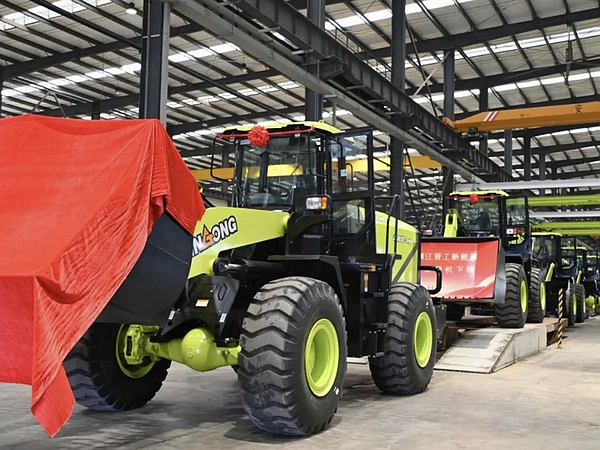
JINGONG New Energy's First Electric Loaders Appear
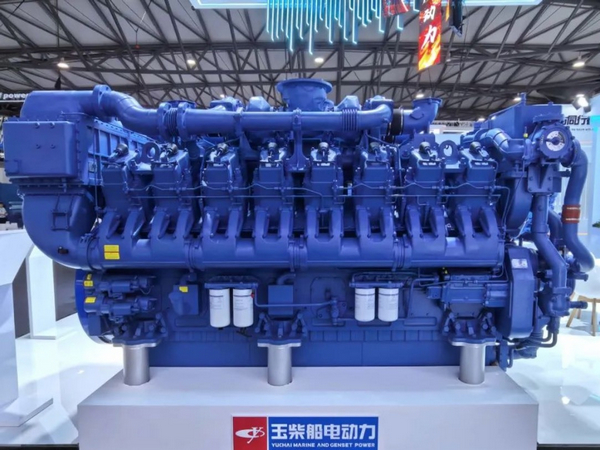
YUCHAI's High-End Power Products Appeared at GPOWER
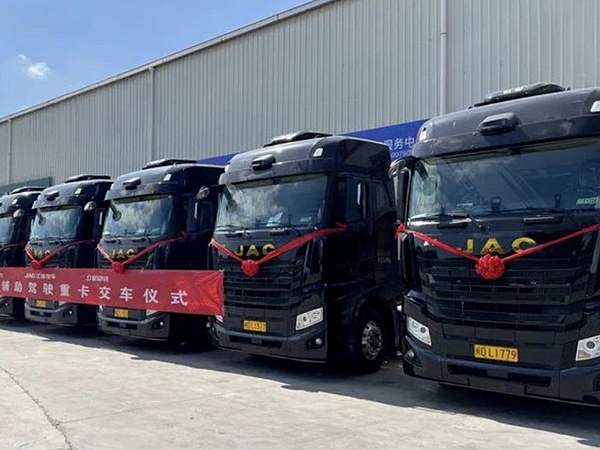
Supported by Cummins M13, K7 Heavy Duty Truck Empowers SF Logistics
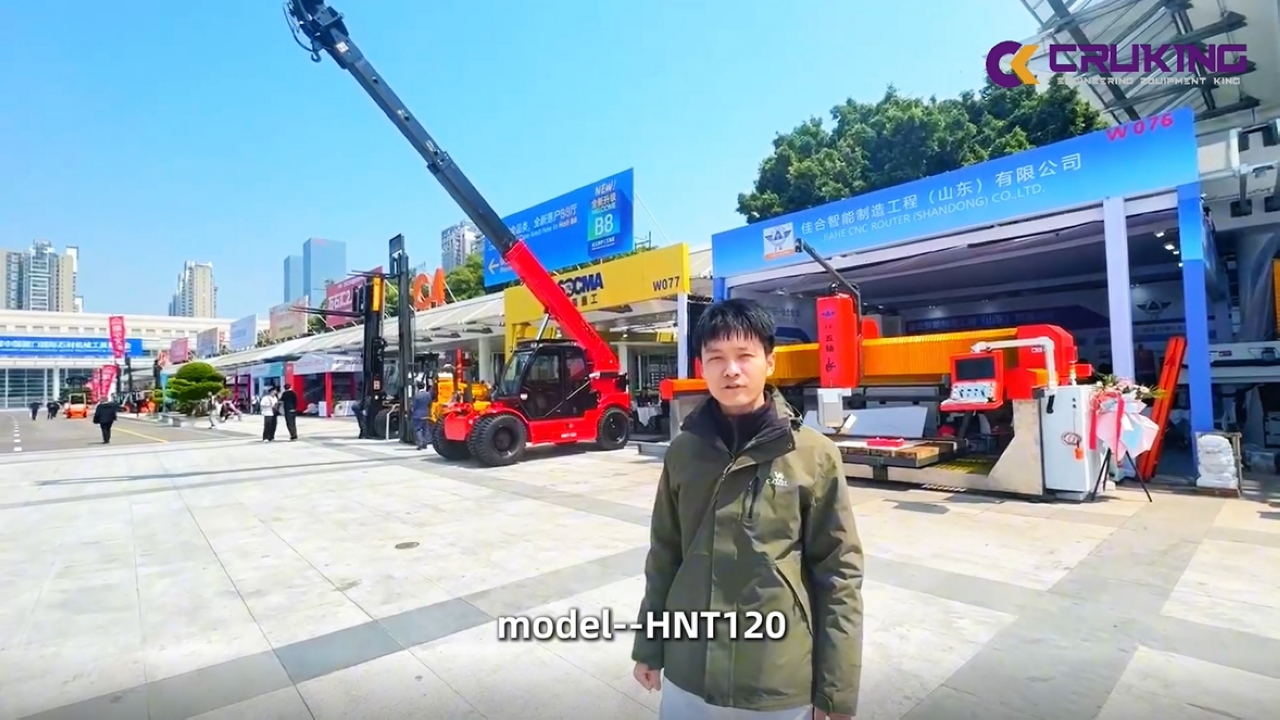
SOCMA HNT120 Hoisting Telehandles are Excellent Choice
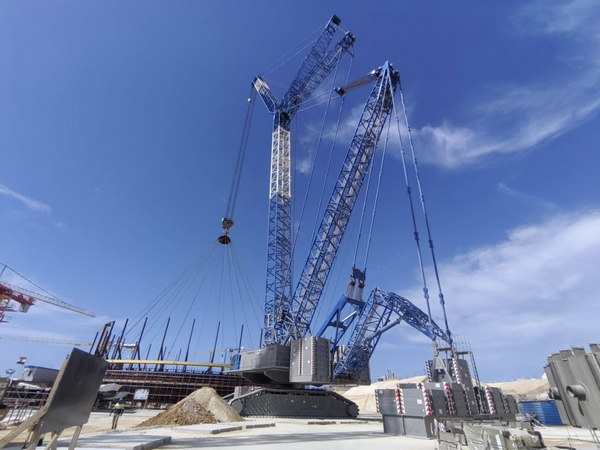
ZOOMLION's Mega-Tonnage Cranes Serve Daba Nuclear Power Plant
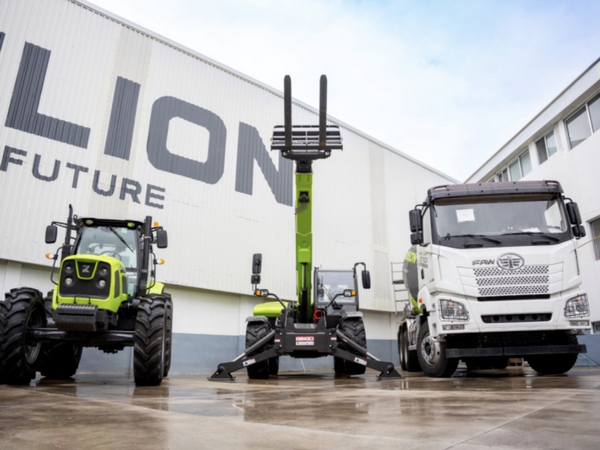
ZOOMLION Mexico City Outlet Opening
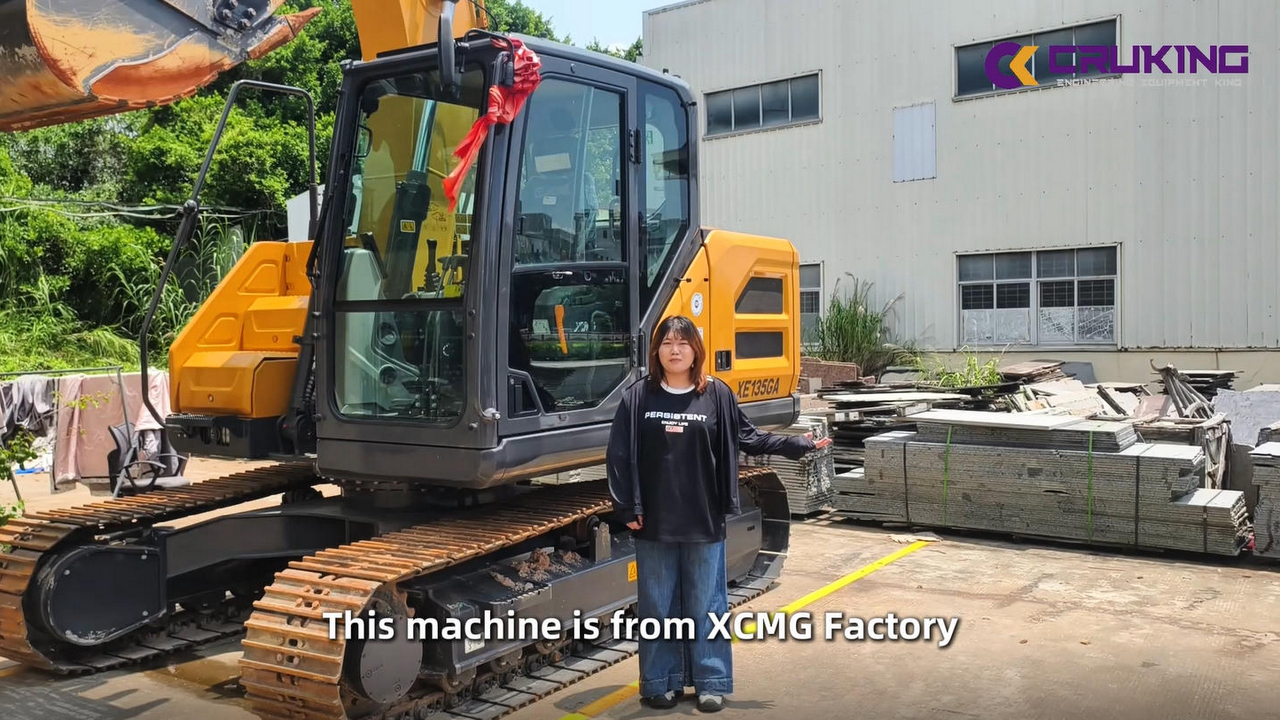
Work Smarter with XCMG XE135WA Excavator
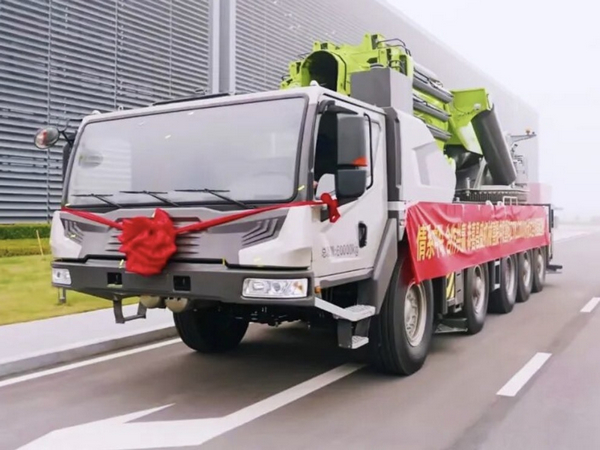
ZOOMLION Completes Delivery of World's Largest Articulated Boom Crane
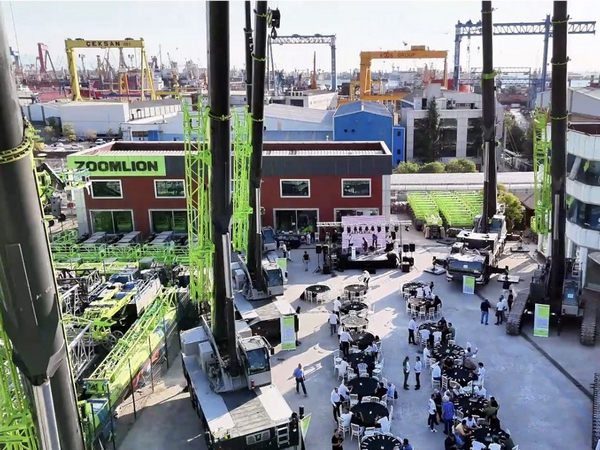
ZOOMLION Construction Crane New Products Showcased in Turkey
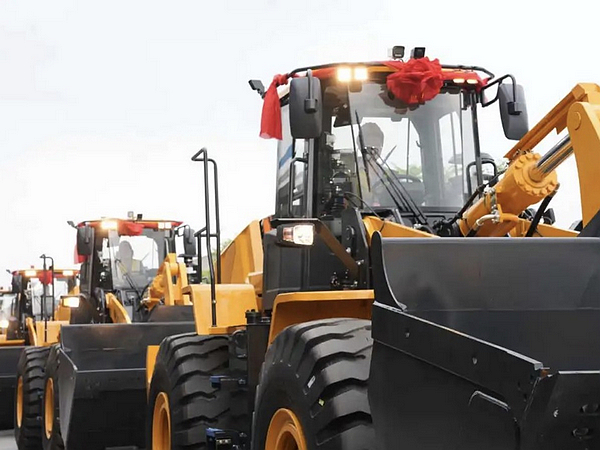
LIUGONG Empowers Intelligent and Efficient Operations at Railway Freight Yards
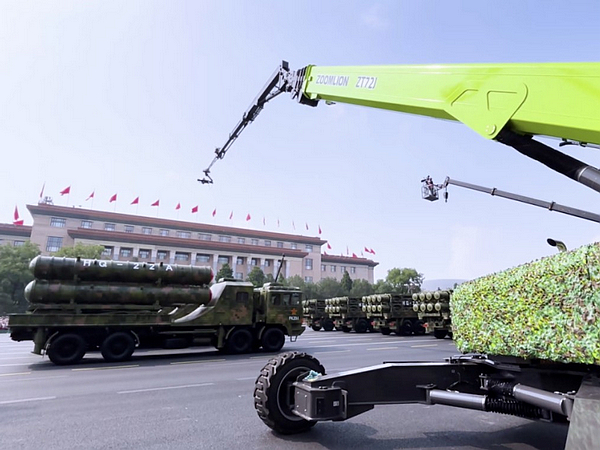
ZOOMLION's High-End Equipment Powers National Ceremony Broadcast
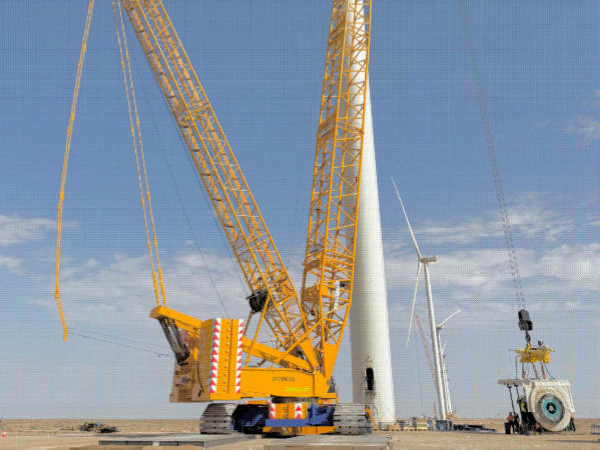
ZOOMLION's Ultra-Heavy-Duty Cranes Collaborate in Operation

HANGCHA CPCD30 Forklift Your Jobsite Partner
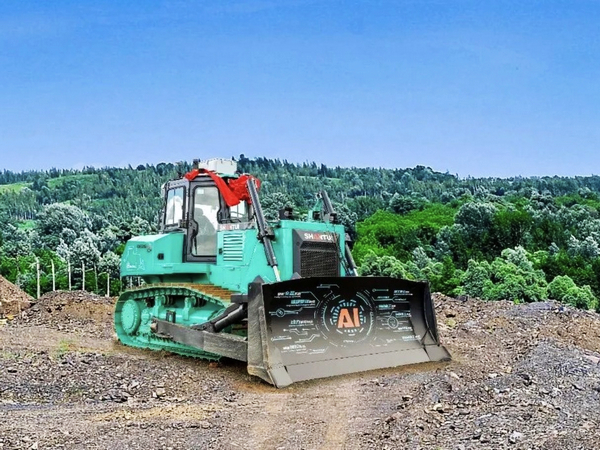
World's First AI-Powered Electric Unmanned Bulldozer Commences Operations
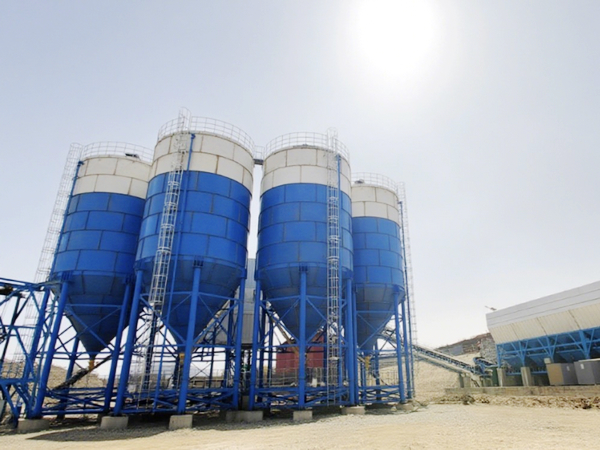
SHANTUI E5L-180 Mixing Plants Support Road Construction in Angola

HANGCHA Unveils X1 Series Logistics Humanoid Robots
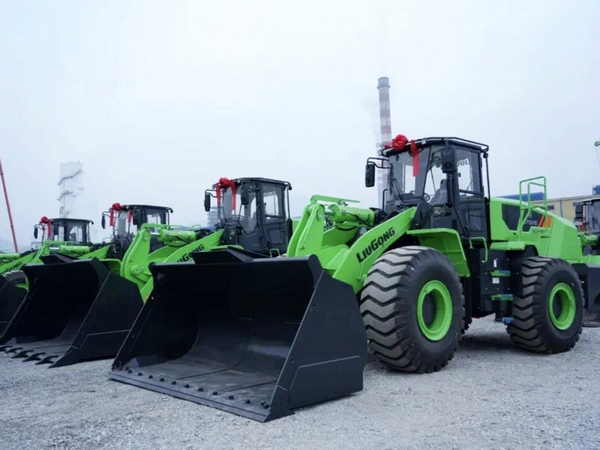
The Rise of Green Energy: A New Wave of Opportunity for Construction Machinery
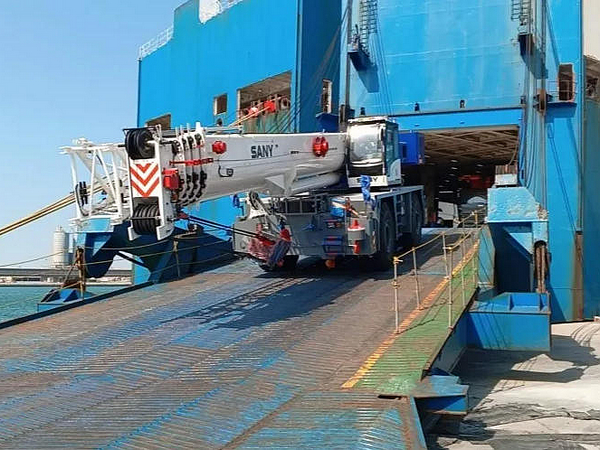
SANY's Regional Supply Center in Dubai Officially Commences Operations
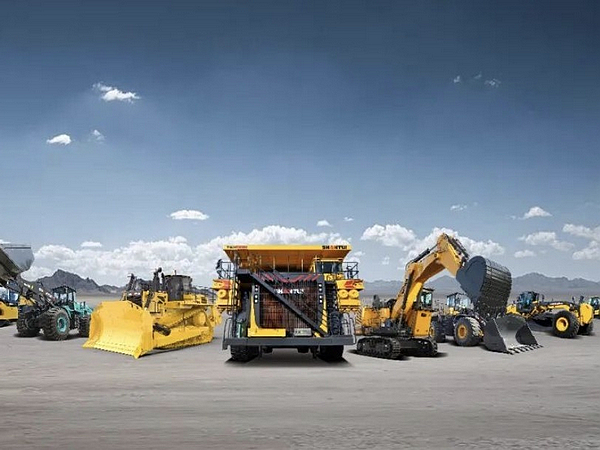
SHANTUI and LOVOL Heavy Industry Ranked on the Yellow Table 2026
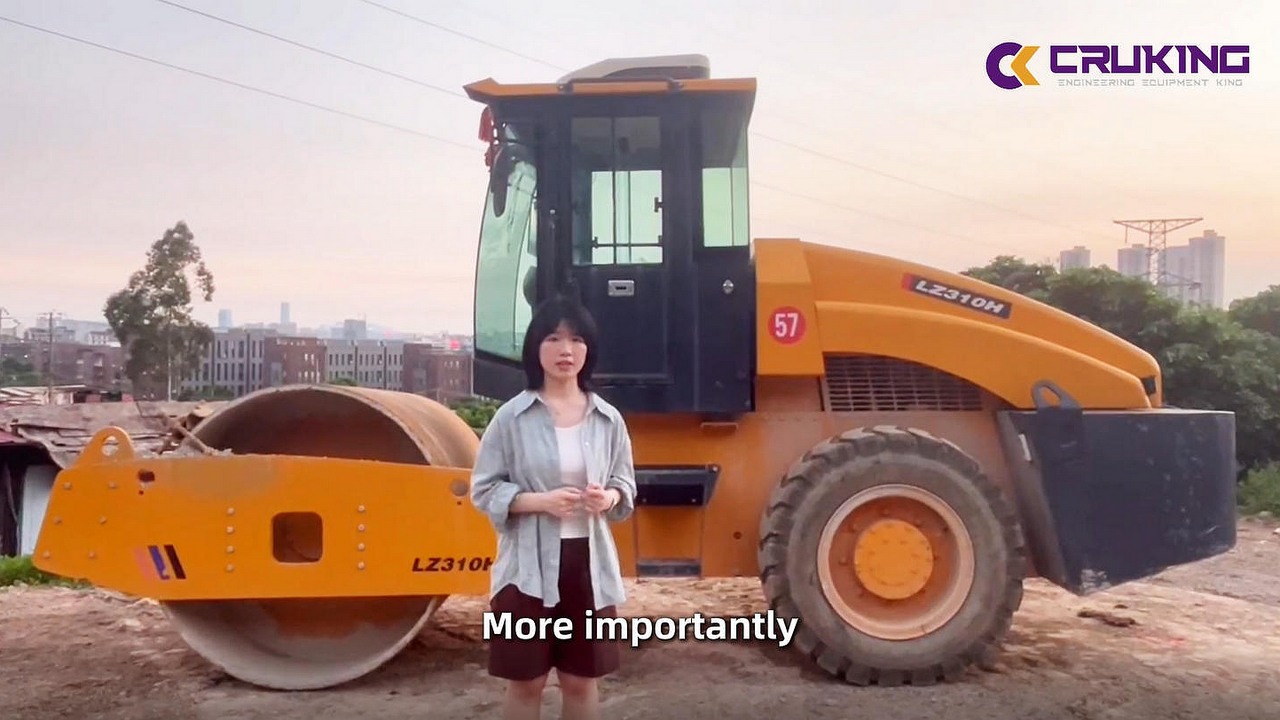
LUOJIAN LZ310H Road Roller Helping Multiply Efficiency
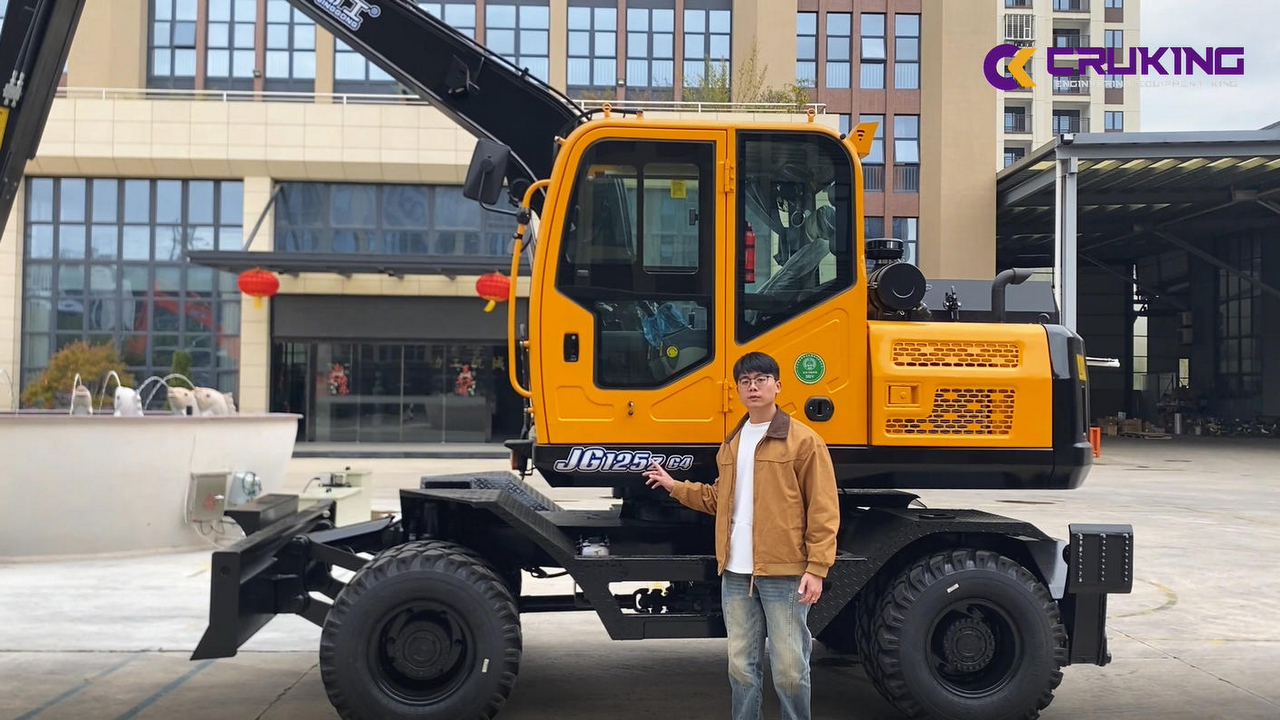
Take a Closer Look at the JINGGONG JG125Z Wheeled Excavator
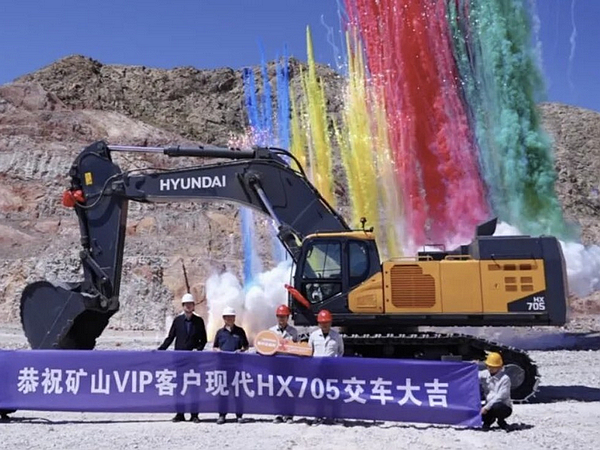
First HYUNDAI 70-Ton Class HX705 Excavator Delivered to Ningxia
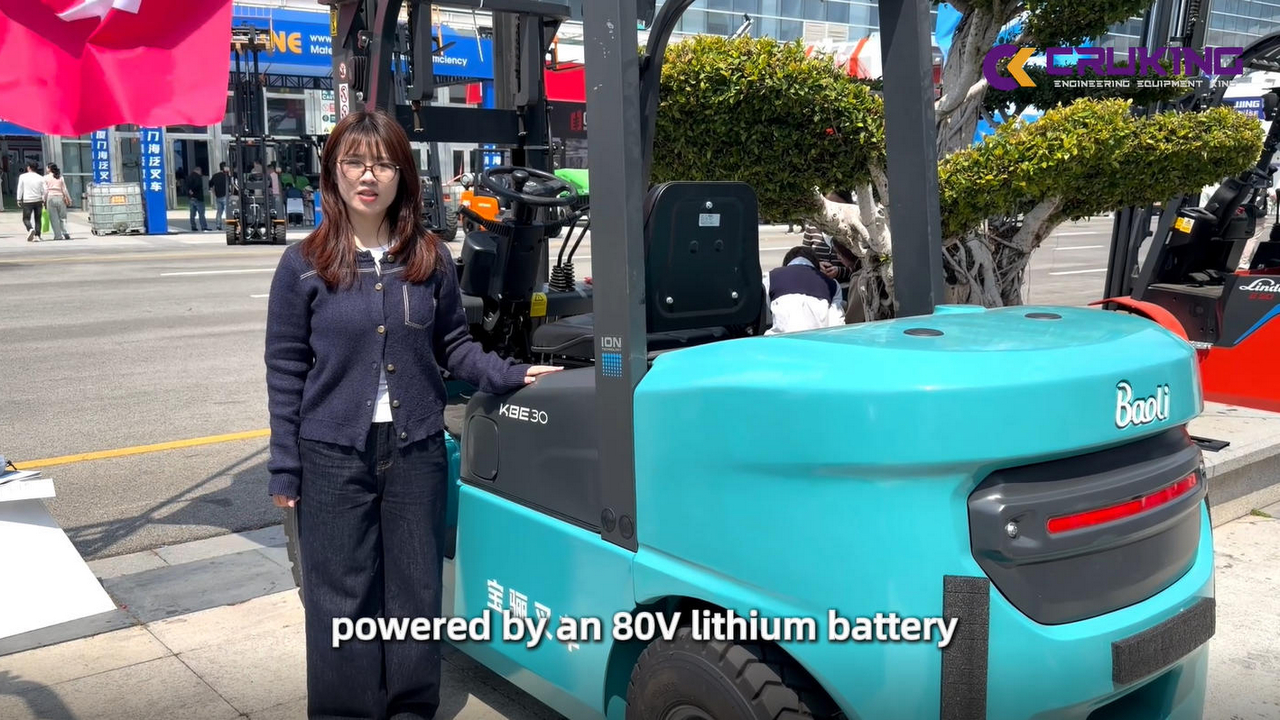
BAOLI KBD30 Electric Forklift: Serious Power in Every Lift
2021-06-27
2021-09-30
2021-01-13
2021-01-14
2021-12-31
2021-12-14
2021-08-10
2021-01-15

+86-592-6166-299
+86-592-6166-299
+86-157-3713-7170
+86-158-0192-8370
Suite 1602, Qinggong Building, No. 366 Hubin South Road, Siming District, Xiamen City, Fujian Province, China